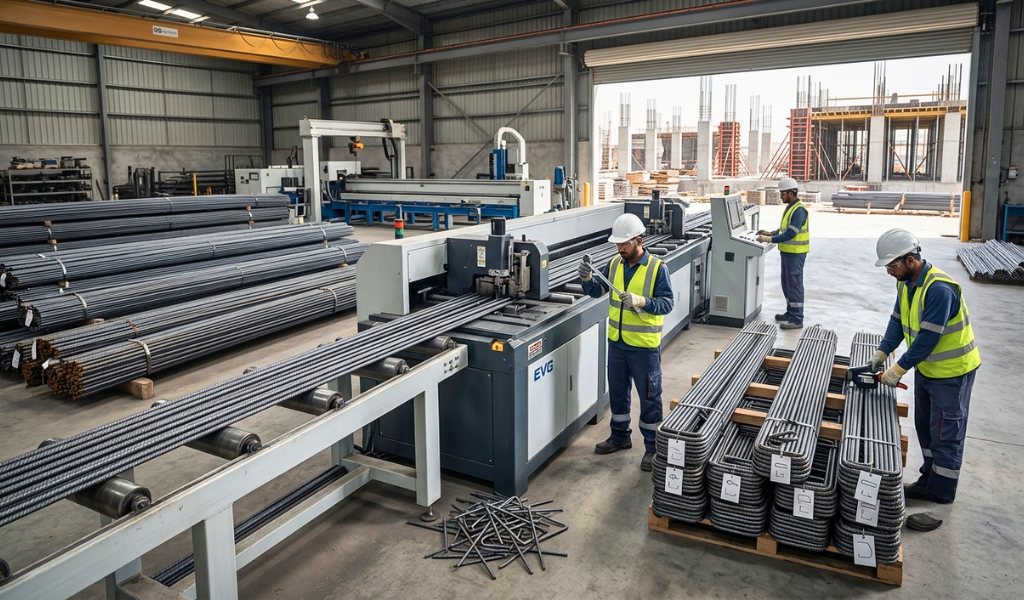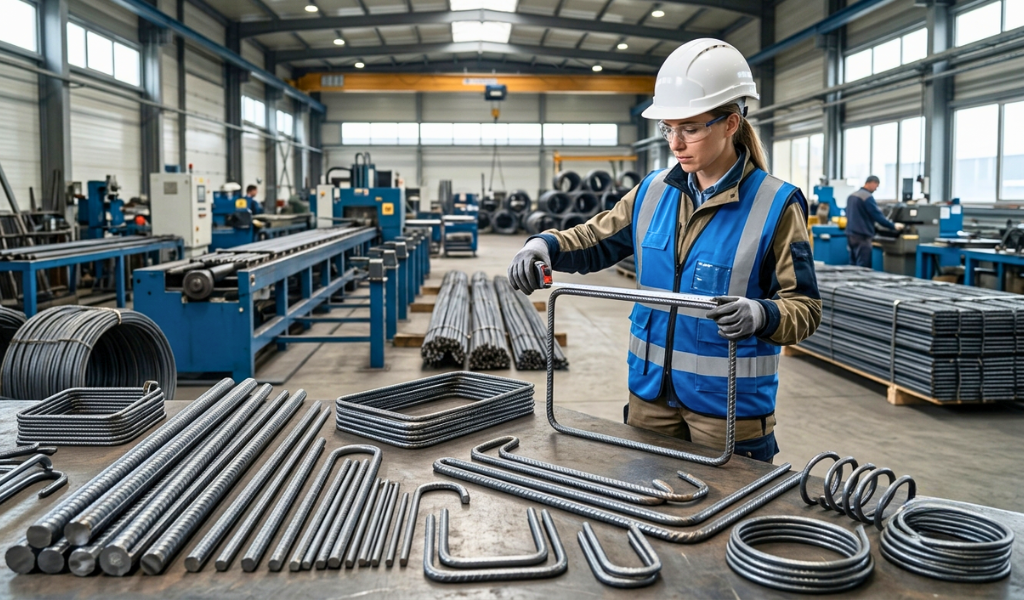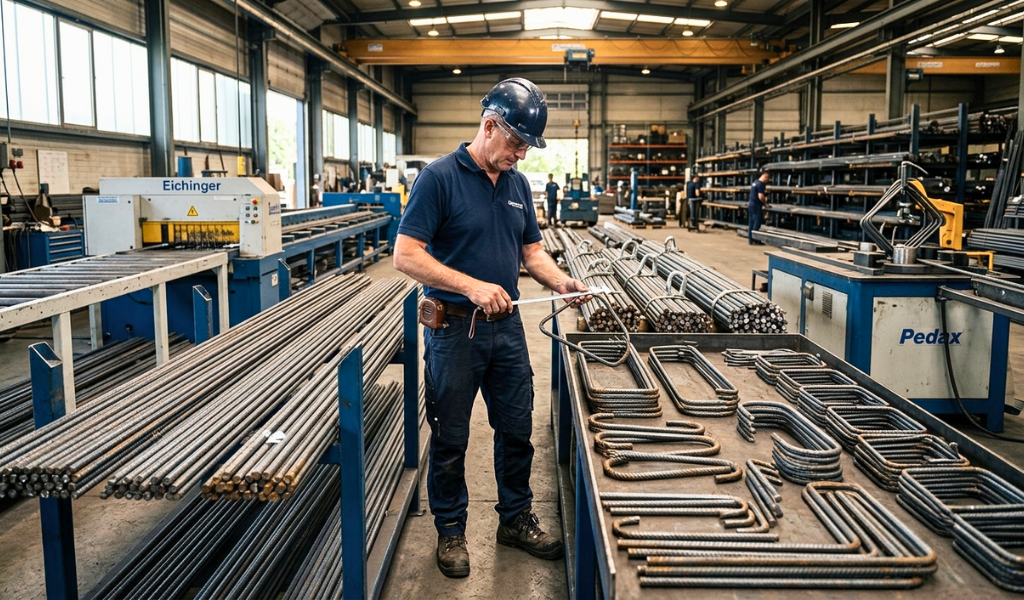
When planning a construction or infrastructure project, choosing the right piles assembly products is one of the most important decisions for long-term structural performance. Whether it is a commercial building, bridge, industrial unit, or marine structure, the quality of the pile system directly affects safety, durability, and foundation strength.
Today, many contractors and developers search for reliable piles assembly suppliers to ensure they receive durable materials that meet industry standards. However, not every supplier offers the same level of quality, technical support, or manufacturing expertise. Before making a purchase, it is essential to understand what factors truly matter.
Why is Piles Assembly Important for Foundation Stability?
A strong foundation is the backbone of every successful construction project. Piles assembly systems transfer structural loads deep into the ground, helping buildings remain stable even in weak soil conditions.
Properly designed pile assemblies help to:
- Prevent structural settlement
- Improve load-bearing capacity
- Increase resistance against soil movement
- Support heavy infrastructure safely
- Enhance long-term structural durability
Without the right pile solution, buildings may experience cracks, uneven settlement, and expensive maintenance issues over time. This is why experienced engineers prefer working with trusted piles assembly manufacturers that follow strict quality and engineering standards.
Key factors to consider before buying piles assembly products
-
Material quality and steel grade
The first thing to check is the quality of steel used in the assembly. High-grade steel improves strength, corrosion resistance, and overall durability. Reputable steel piles assembly suppliers provide certified materials that comply with international construction standards.
Always ask for:
- Material test certificates
- Steel grade specifications
- Corrosion protection details
- Welding quality reports
Using low-quality materials may reduce project lifespan and increase future repair costs.
2. Manufacturing standards
Reliable piles assembly manufacturers follow advanced production processes and quality control systems. Precision manufacturing ensures the pile components fit correctly and perform effectively under heavy structural loads.
Before purchasing, check whether the manufacturer offers:
- ISO-certified production
- Modern fabrication technology
- Skilled engineering teams
- Quality inspection procedures
Working with experienced manufacturers also reduces the risk of project delays and installation errors.
3. Load-bearing capacity
Different construction projects require different load capacities. For example, industrial plants and bridges need stronger foundations compared to residential structures.
Professional piles assembly suppliers usually provide technical guidance regarding:
- Axial load capacity
- Soil compatibility
- Pile diameter selection
- Project-specific engineering requirements
Choosing the correct load-bearing specification improves both safety and structural efficiency.
4. Corrosion and environmental resistance
Environmental conditions play a major role in foundation durability. Projects near coastal regions, chemical plants, or waterlogged areas require corrosion-resistant pile systems.
Trusted steel piles assembly suppliers often offer:
- Galvanised coatings
- Anti-corrosion treatments
- Protective steel finishes
- Weather-resistant fabrication
This helps extend the service life of the structure while reducing maintenance expenses.
What Are the Benefits of Steel Piles Assembly in Infrastructure Projects?
Modern infrastructure projects increasingly rely on steel-based pile systems because of their strength, flexibility, and faster installation process.
Some major benefits include:
Faster construction timelines
Steel pile systems are easier to install, helping contractors complete projects quickly and efficiently.
High structural strength
Steel provides excellent load-bearing performance for heavy commercial and industrial structures.
Better soil adaptability
Steel piles perform effectively in different soil conditions, including soft and loose ground.
Long-term durability
High-quality steel assemblies resist environmental stress and maintain structural integrity for years.
Cost-effective maintenance
Well-manufactured pile systems require less repair and maintenance over time.
These advantages explain why many developers prefer sourcing products from experienced piles assembly suppliers and established steel solution providers.
Read More: The Role of Construction Materials Suppliers in Saudi Arabia’s Growing Infrastructure
How to Choose the Right Piles Assembly Suppliers?
Selecting the right supplier is equally important as selecting the product itself. A dependable supplier can support your project with technical expertise, timely delivery, and customized solutions. Look for suppliers that offer:
- Industry experience
- Strong project portfolio
- Custom manufacturing options
- Engineering consultation
- Competitive pricing
- On-time delivery services
Leading piles assembly manufacturers often provide complete support from design consultation to final installation guidance.
Conclusion
Choosing the right piles assembly products is essential for ensuring construction safety, structural durability, and long-term project success. From material quality and manufacturing standards to corrosion resistance and supplier reliability, every detail matters when selecting foundation solutions.
Partnering with experienced piles assembly suppliers and trusted piles assembly manufacturers can help you avoid costly structural issues while improving project efficiency. If you are looking for dependable foundation solutions, working with professional steel piles assembly suppliers ensures you receive durable products backed by engineering expertise and industry-standard quality.
FAQ's Related to Piles Assembly
1. What is piles assembly used for?
Piles assembly is used to strengthen building foundations by transferring structural loads deep into the ground for better stability and support.
2. Why should I choose steel piles assembly products?
Steel pile systems provide high strength, durability, faster installation, and excellent performance in challenging soil conditions.
3. How do I find reliable piles assembly suppliers?
Look for suppliers with industry certifications, quality manufacturing processes, technical expertise, and strong customer reviews.
4. What factors affect the quality of piles assembly products?
Material grade, welding quality, corrosion resistance, manufacturing precision, and engineering standards all affect product quality.
5. Are customised pile assembly solutions available?
Yes, many professional piles assembly manufacturers provide customized solutions based on project requirements and soil conditions.