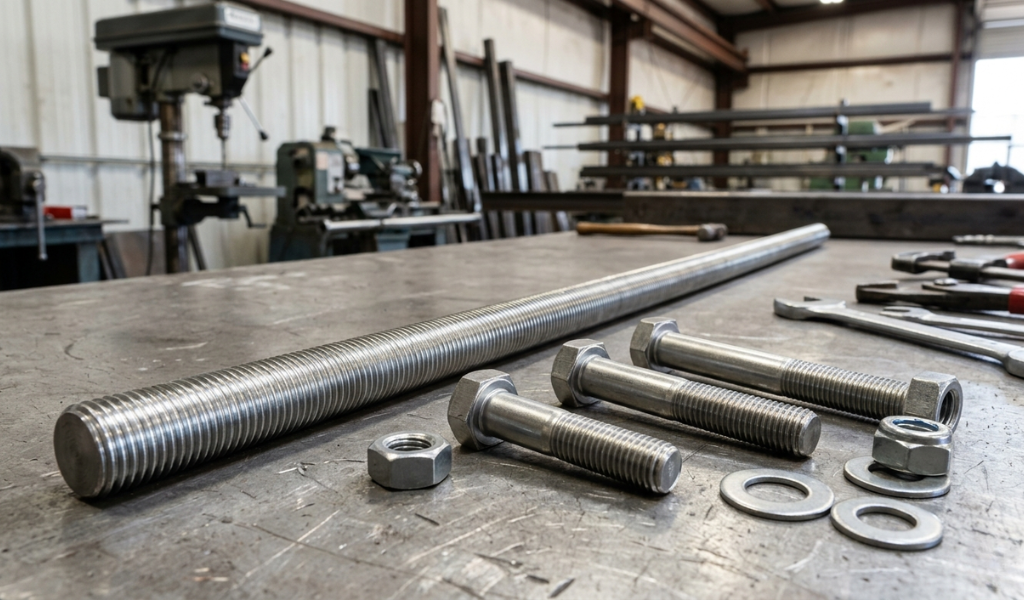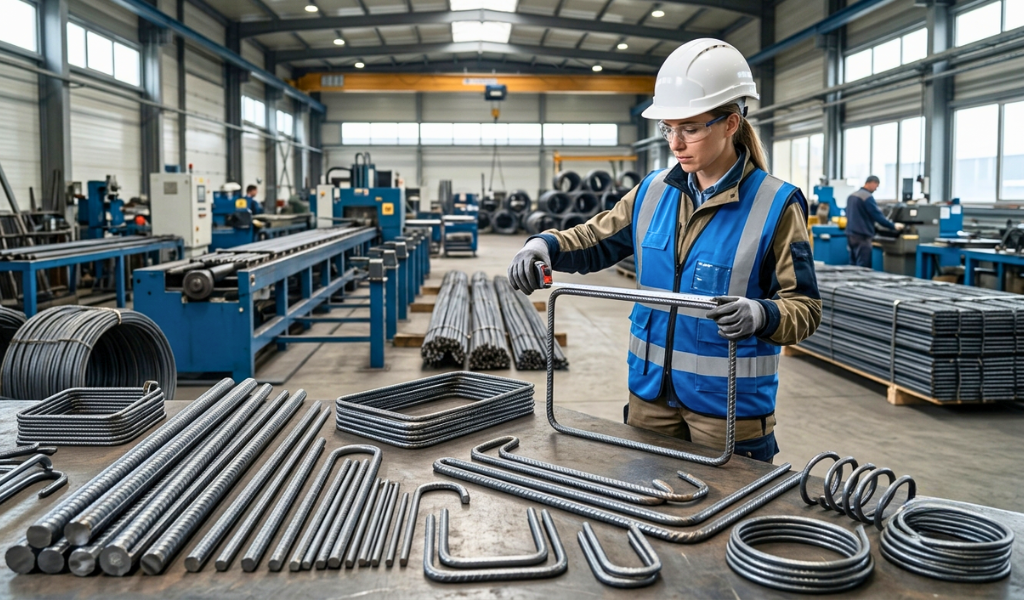
The selection of deformed drawn wire is an important step for the construction of durable, reliable and strong concrete structures. The quality of reinforcement materials used in construction projects in Jeddah can affect the structural performance, crack control, and long-term durability. Thus, contractors must look beyond the purchase price when choosing steel wire for building.
The surface of deformed drawn wire is textured to enhance bonding with concrete. When manufactured to the correct specifications, it can provide consistent reinforcement performance in a variety of construction applications. Knowing its properties, quality requirements, and suitability for a particular project helps contractors make informed buying decisions.
Quick Summary
- The patterned surface of deformed drawn wire helps to increase its bond with concrete.
- Its strength and durability depend on material quality, manufacturing processes, and compliance with project specifications.
- Typical applications include precast concrete products, reinforcement components, and some construction applications.
- Contractors should verify dimensions, mechanical properties, certifications, and delivery requirements before ordering.
- Having a reliable manufacturer means your product will be consistent and you won’t have to suffer unnecessary delays to your project.
What Is Deformed Drawn Wire?
Deformed drawn wire is steel wire produced by a drawing process and having surface deformations. These raised patterns allow the wire to form a mechanical bond with the surrounding concrete.
Deformed steel wire is different from smooth wire in that it provides additional surface interaction to help resist movement within the concrete. Its suitability depends on the intended application, the required dimensions, and the specified mechanical properties.
How Is Deformed Drawn Wire Manufactured?
The manufacturing process usually consists of drawing the steel through dies to attain the required diameter. The deformed surface pattern is created by further processing, depending on the product specification.
Quality control is important all the way along. Manufacturers should monitor the dimensions, surface characteristics, and mechanical properties to ensure that the finished wire conforms to the agreed requirements.
Why Does Deformed Drawn Wire Matter for Construction Projects in Jeddah?
The materials should be appropriate for the specific structural requirements and environmental conditions of the construction projects in Jeddah. Choosing suitable reinforcement materials will allow contractors to achieve reliable performance and maintain construction quality.
1. Improved Bond with Concrete
The irregular surface enables the wire to grip the surrounding concrete. This mechanical interlocking can enhance resistance to slippage if the product is correctly specified and used.
2. Strength and Load Performance
High-strength steel wire offers useful mechanical properties for applications that require reliable reinforcement. However, the real strength of deformed drawn wire depends on the grade, manufacturing process, and test results.
Contractors must always check that the chosen product meets the structural design requirements and not just assume that every deformed wire will perform the same.
3. Durability and Service Life
Durability depends on a number of factors, including the quality of the steel, the concrete cover, the workmanship, and the exposure conditions. Chloride exposure and moisture can increase the risks of corrosion in coastal areas such as Jeddah.
Appropriate concrete design, suitable material specifications, and correct installation practices are essential for the protection of reinforcement over time.
4. Consistent Construction Quality
Uniform wire dimensions and mechanical properties can help lead to efficient production and predictable installation. This is especially useful for contractors who are doing repetitive reinforcement work or who have large construction schedules to manage.
What Are the Main Deformed Drawn Wire Applications?
Depending on the technical specifications and approval for the intended purpose, deformed drawn wire can be used for various reinforcement-related applications.
Typical reinforcement wire applications include:
- Precast concrete products: Selected precast components made to specified reinforcement requirements.
- Concrete reinforcement elements: Uses where the specified wire properties and dimensions meet the design requirements.
- Construction-related products: Manufactured reinforcement products for which the wire characteristics are required to be consistent.
- Industrial fabrication: Components manufactured from steel wire to meet specific engineering requirements for the application.
- Not all deformed drawn wire products are suitable for all structural applications. The final selection will depend on the design of the reinforcement, applicable standards, and approvals on the project.
How Do I Choose a Reliable Deformed Drawn Wire Manufacturer in Jeddah?
A reputable manufacturer should be able to show product consistency, technical know-how, and the ability to meet your project requirements. Consider these important factors before placing an order.
Check Product Specifications
Confirm the diameter of the wire, the deformation pattern, the mechanical properties, and the applicable product standard. Request technical datasheets and relevant test documentation.
Review Quality Control Procedures
A reliable supplier should be able to explain its quality checks and provide appropriate inspection or test records. Where applicable, verify independent testing and certification.
Assess Production and Supply Capacity
For big projects, deliveries might need to be made on a regular basis over a period of weeks or months. Verify that the manufacturer can hold consistent specifications and can meet your production schedule.
Evaluate Technical Support
Choose a supplier who can explain product specifications, documentation, and suitability for the intended application. Talai Al-Folath For Manufacturing Company is an option for contractors looking for deformed drawn wire products for construction needs.
What Should Contractors Check Before Ordering Deformed Drawn Wire in Bulk?
When you buy in bulk, you have to plan carefully, because if you get the specifications wrong, it could affect several deliveries or even a whole batch of production.
Before confirming an order, contractors should check:
- Diameter and tolerances: Dimensions supplied shall be as per approved specification.
- Mechanical properties: Check the specified tensile strength, yield properties where applicable, and ductility.
- Applicable standards: Verify compliance with standards and project requirements as specified in the purchase order.
- Quality documents: Request material test certificates, inspection reports and traceability information where applicable.
- Quantity and packaging: Agree on order quantity, bundle sizes, labeling and handling arrangements.
- Delivery schedule: Confirm lead times, delivery locations and arrangements for phased delivery.
- Storage requirements: Plan dry, organized storage to minimize contamination, damage, and unnecessary exposure to moisture.
- Commercial terms: Specify pricing, payment terms, procedures for rejected material and replacement arrangements.
Having a documented inspection process can help to catch discrepancies before the wire goes into production or construction.
Deformed Drawn Wire: What Should You Compare Before Buying?
The right product depends on the project design, required performance, and supply conditions. Use the following table to guide your assessment.
|
Evaluation factor |
What to check |
Why it matters |
|
Wire diameter |
Required size and tolerances |
Supports dimensional consistency |
|
Mechanical properties |
Strength and ductility test results |
Confirms suitability for the intended application |
|
Surface deformation |
Pattern and dimensional requirements |
Helps establish the specified concrete bond characteristics |
|
Quality documentation |
Test certificates and traceability |
Supports verification and quality assurance |
|
Corrosion considerations |
Exposure conditions and protection measures |
Helps manage durability risks |
|
Supply capability |
Production capacity and lead time |
Supports project scheduling |
|
Total cost |
Price, transport and quality-related risks |
Helps assess overall purchasing value |
Conclusion
Choosing the right deformed drawn wire can help construction teams meet reinforcement requirements, maintain consistent quality and support the long-term performance of concrete structures. Material specifications, mechanical properties, corrosion exposure and reliable delivery arrangements are also areas that contractors should give particular attention to on Jeddah projects.
Don’t just look at the price when you’re thinking about a bulk order, look at the technical documentation, quality controls, and supply capabilities. Contact a suitable manufacturer to talk over your project specifications, required quantities and delivery schedule, so that you can make a more informed purchasing decision.
Frequently Asked Questions
1. What is deformed drawn wire used for?
Deformed drawn wire is used in selected concrete reinforcement products, precast components and other manufactured construction applications where its dimensions and mechanical properties meet the required specifications.
2. How does deformed steel wire improve concrete reinforcement?
Its raised surface pattern helps create a mechanical bond with concrete, which can improve resistance to slippage compared with smooth wire under appropriate design and installation conditions.
3. Is high-strength steel wire suitable for every construction project?
No. High-strength steel wire must meet the project's specified strength, ductility, dimensions, and applicable standards. The material should be selected according to engineering requirements.
4. How can contractors check the quality of reinforcement wire?
Contractors should review technical datasheets, dimensional tolerances, mechanical test results, material certificates, and traceability records. Additional inspection may be necessary for critical applications.
5. What should I consider when buying deformed drawn wire in bulk in Jeddah?
Check the required diameter, mechanical properties, applicable standards, documentation, quantity, packaging, delivery schedule, and storage arrangements. Confirm all specifications in writing before approving the order.