A clear understanding of what is the difference between a rebar cutting list and a bar bending schedule can be useful for contractors, engineers and reinforcement specialists, because both of them support steel preparation accurately. They might be similar but serve different purposes while fabricating Reinforcement steel.
The former indicates the lengths and number of bars needed, while the latter gives a detailed description of the shape, dimensions, and bending requirements of each bar. Using the two together correctly will help to reduce waste of materials, production issues and delays on site.
Quick Summary
- A rebar cutting list specifies bar sizes, lengths and quantities.
- A bar bending schedule provides cutting, shape and bending details.
- A rebar cutting plan helps organise material requirements before production.
- Cutting and bending must follow approved project drawings and specifications.
- A reliable supplier can improve accuracy, consistency and construction productivity.
What is a Rebar Cutting List Used For?
A rebar cutting list is a useful production document containing the types of reinforcement bars needed for a construction project. Typically, it includes bar diameter, steel grade, length, and number of bars required.
It assists fabrication teams in prepping the right volume of reinforcement steel. It may also assist material planning by illustrating where standard length bars should be imported to reduce unwanted offcuts.
With large designs, a clear cutting list enables production to be more easily organised and if contractors have good control over the reinforcement required.
How Cutting and Bending Work Together in Rebar Fabrication?
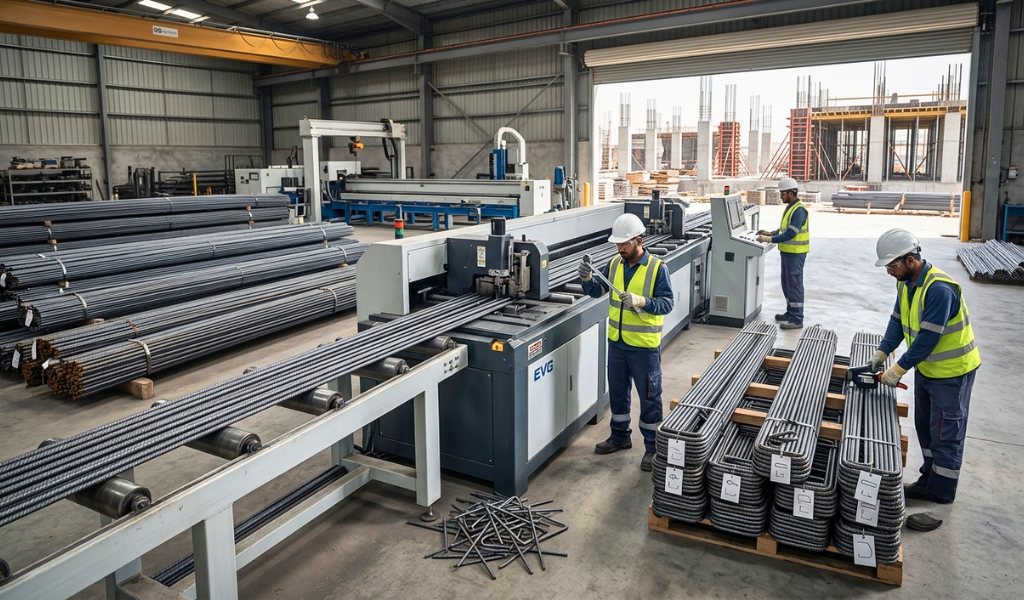
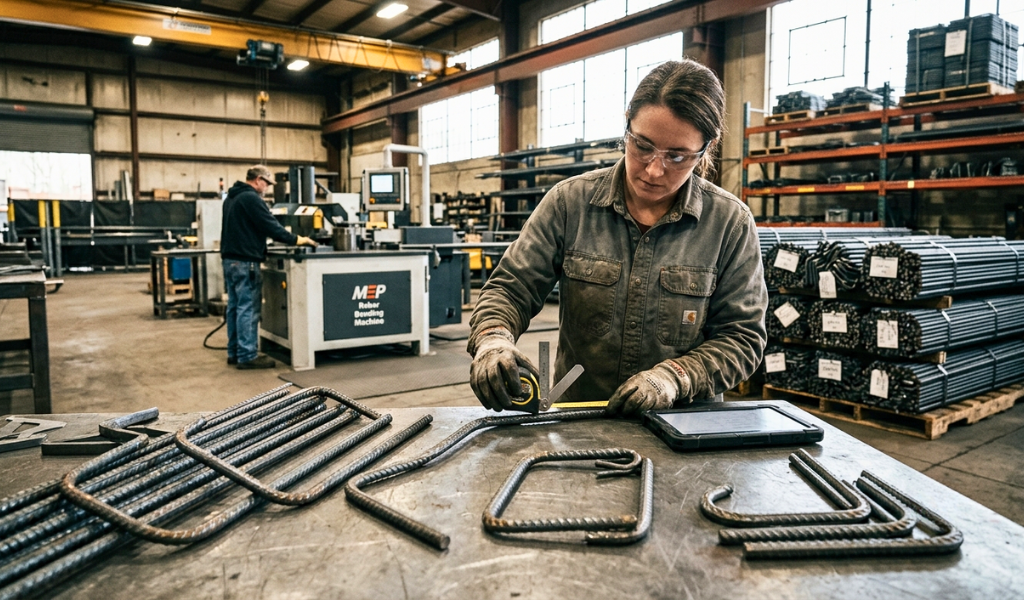
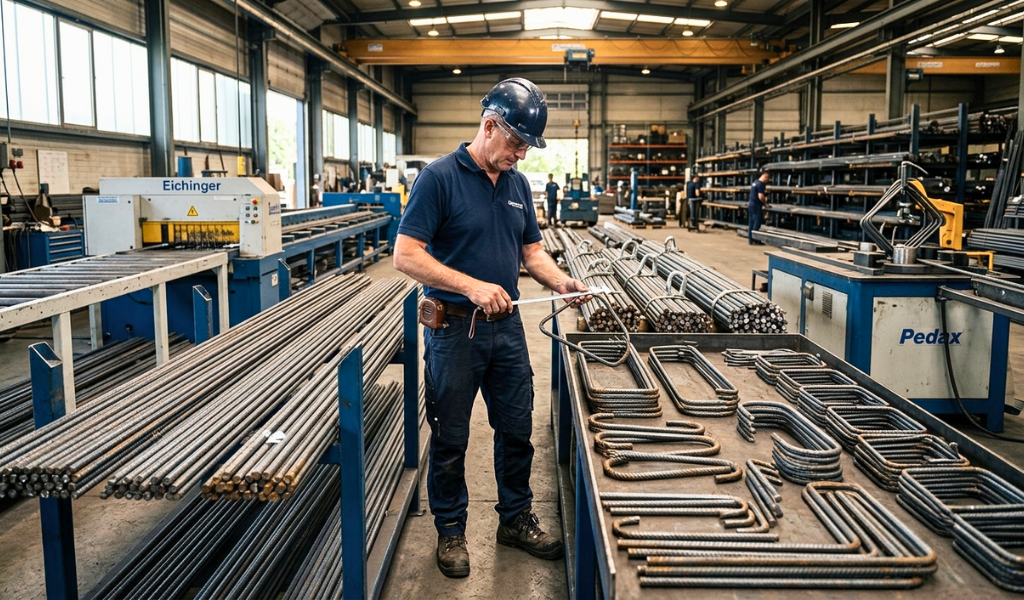
Cutting and bending are two interlinked processes in the fabrication of reinforcement steel. The first step is to cut the reinforcement bars to the required dimensions. They can then be formed into the required shapes using suitable machinery.
It’s important to properly produce rebar, including cutting and bending. If the reinforcement is the wrong size or shape, it can be difficult to install and will require costly rework.
Proper coordination of a rebar cutting plan guarantees that the bars are cut efficiently before they reach the bending stage. When both processes are scheduled and approved, contractors can have the reinforcement ready to install.
What is the Difference Between a Rebar Cutting List and a Bar Bending Schedule?
The main difference between a rebar cutting list and a bar bending schedule is the type and detail of information provided.
A cutting list is mainly concerned with the bars to be cut, giving lengths and quantities. A bar bending schedule goes a step further by identifying bar shapes, bending dimensions, marks, and other fabrication details required for production.
Practical Comparison
|
Factor |
Rebar Cutting List |
Bar Bending Schedule |
|
Main purpose |
Specifies cutting requirements |
Specifies cutting and bending requirements |
|
Main information |
Bar size, length and quantity |
Bar mark, shape, dimensions, length and quantity |
|
Bending details |
Usually limited |
Detailed |
|
Production use |
Cutting and material planning |
Complete fabrication planning |
|
Site benefit |
Supports correct bar lengths |
Supports accurate placement and installation |
In practice, both documents can work together rather than being treated as alternatives.
What Should Contractors Check Before Rebar Production?
Contractors should check latest approved structural drawings and schedules before cutting and bending of reinforcement steel.
Important points include:
- Bar diameter and steel grade
- Bar lengths and quantities
- Bending shapes and dimensions
- Bar marks and identification
- Required tolerances
- Drawing revision status
- Project-specific specifications
It’s also good to check the supplier understands the delivery sequence that is required. Correct identification and bundling can speed the installation once the reinforcement reaches site.
Read More: What is the difference between on-site and off-site rebar fabrication?
How to Choose a Reliable Cut and Bend Rebar Supplier in Saudi Arabia?
Contractors should look beyond production capacity when choosing a supplier. As much as accuracy, quality control, delivery coordination and technical understanding.
Ask if the supplier will work to approved schedules, maintain consistent dimensions and provide reinforcement prepared to project requirements. Also to be considered are production equipment and quality-control measures.
Talai Al-Folath For Manufacturing Company supplies cut and bend reinforcements for projects that need reliable reinforcement preparation for smooth construction workflows.
A good supplier should also communicate clearly on quantities, production schedules and delivery requirements, helping contractors avoid unnecessary disruptions.
Conclusion
The main difference between the rebar cutting list and the bar bending is the type of information each document provides. Attention is paid to bar lengths and quantities, and a cutting list is prepared. A bar bending schedule provides more detailed instructions for the production of shaped reinforcement.
Accurate schedules and a well-planned rebar cutting plan can improve fabrication efficiency, reduce waste, and help contractors get cut and bend rebar ready for installation. Choosing an experienced reinforcement steel cutting and bending supplier can also contribute to quality and project efficiency.
FAQ's
1. What is a rebar cutting list?
A rebar cutting list specifies the reinforcement bar sizes, lengths, and quantities required for fabrication and construction.
2. What is a bar bending schedule?
A bar bending schedule provides detailed information about reinforcement bar marks, shapes, dimensions, lengths, and quantities needed for fabrication.
3. Is a rebar cutting list the same as a bar bending schedule?
No. A cutting list mainly focuses on cutting requirements, while a bar bending schedule includes detailed bending and shape information.
4. Why is accurate rebar cutting and bending important?
Accurate fabrication helps reduce material waste, installation difficulties, rework, and delays during construction.
5. How do contractors choose a cut and bend rebar supplier?
Contractors should consider production accuracy, quality control, equipment, schedule coordination, delivery reliability, and the supplier's ability to follow approved project requirements.