Common rebar bending errors can impact the accuracy of the reinforcement, the construction efficiency, and the overall performance of a concrete structure. Small errors in measurements, angles of bends, or placement of bars can cause problems during installation and could lead to expensive remedial work on site.
The foundation for correct rebar bending consists of good drawings, reliable measurements, and suitable equipment. By knowing where mistakes are often made, contractors can improve their quality control and keep reinforcement work on schedule.
Quick Summary
- Consistent rebar bending requires precise measurements.
- The common rebar bending mistakes are wrong angles, lengths, and locations of bends.
- Always check clear reinforcement drawings before fabrication.
- Professional cutting and bending services can help reduce waste and improve consistency.
- A trusted supplier also helps to ensure that the reinforcement bars are fabricated to the required specifications.
What Is Rebar Bending and Why Does Accuracy Matter?
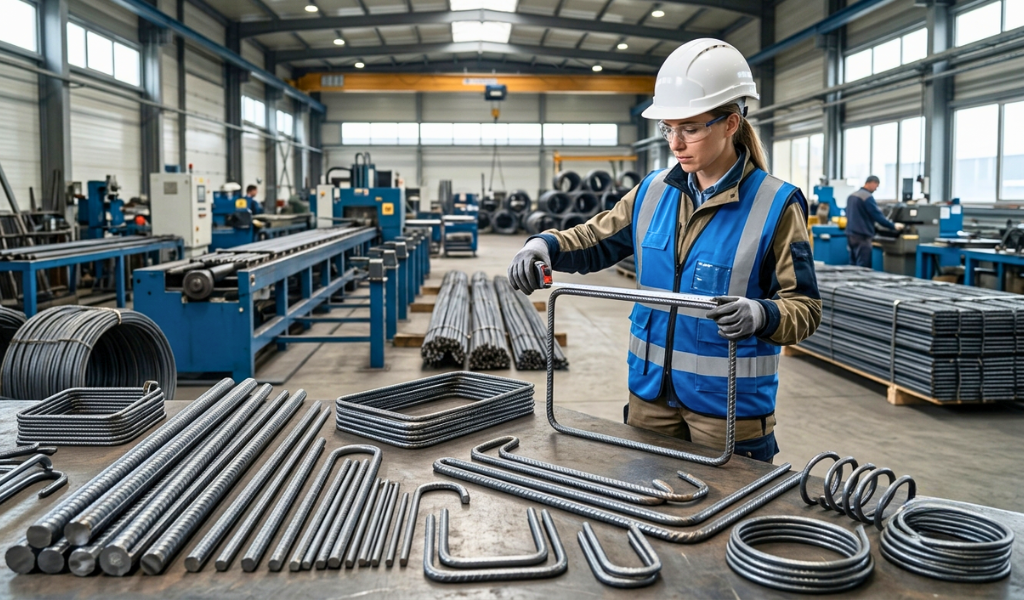
Rebar bending is the process of bending rebar to certain angles and shapes, so that the rebar can be placed properly in concrete structures. Bars can need hooks, links, stirrups, bends, or more complex shapes depending on the project.
It is important that the reinforcement is accurate and matches the dimensions shown on the structural drawings. Improperly bent bars may cause problems in installation, insufficient concrete cover, or unexpected gaps between the reinforcement and formwork.
Therefore, correct rebar bending should be considered an important part of the reinforcement quality, and not only a fabrication activity.
Read More: How to Compare Cut and Bend Rebar Suppliers Before Placing a Bulk Order in KSA
How Do Incorrect Measurements Lead to Rebar Bending Errors?
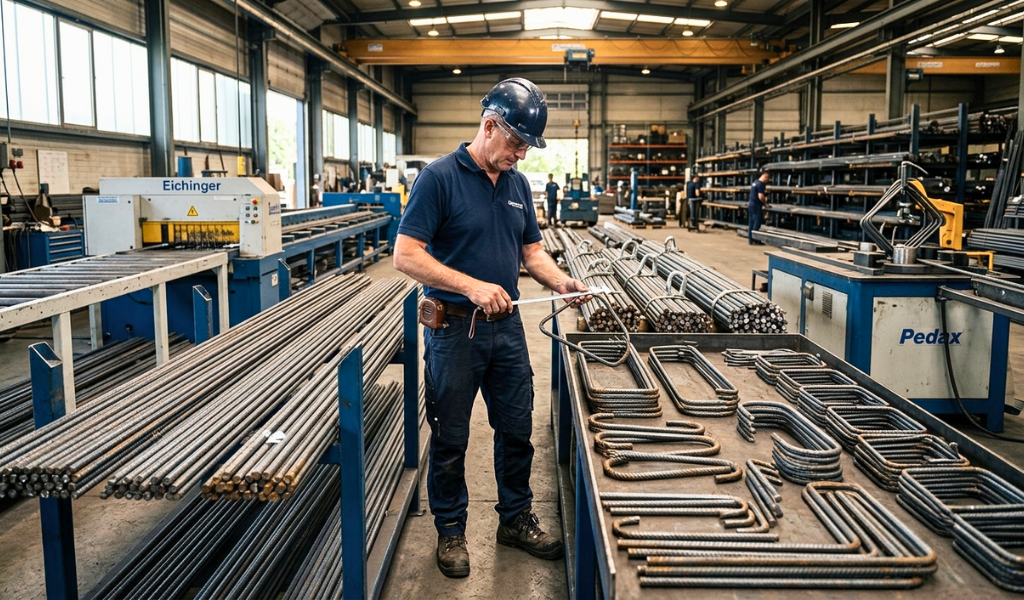
One of the most common causes of problems with bending rebar is incorrect measurements prior to fabrication. If the lengths, bends, or angles of the bars are read incorrectly, the finished reinforcement may not fit in the intended location.
Contractors shall, prior to cutting and bending:
- Check the latest structural drawings.
- Confirm the diameter grade of the bar.
- Check cut lengths, bend sizes.
- Cross-check the dimensions with the bar bending schedule.
- Confirm any revisions with the responsible engineer.
By taking these measures early, errors in reinforcement bar bending may be prevented from reaching the construction site.
By taking these measures early, errors in reinforcement bar bending may be prevented from reaching the construction site.

Common Rebar Bending Errors Contractors Should Watch For
Several mistakes are made due to repeated fabrication of reinforcement.
Incorrect Bend Angles
If a bend is too tight, too open, or wrongly placed, the bar may not fit where it is supposed to. The bending equipment must be calibrated and operated properly as per the required specifications.
Wrong Bar Lengths
If you cut bars too short, they are useless, if they are too long, you may have waste of material and problems in the installation. Remember, accurate cutting before bending is essential.
Incorrect Bend Locations
The total bar length may be right, but a bend in the wrong place can affect the fit of the reinforcement into the structure.
Mixing Bar Sizes
Wrong diameters can affect both the structural requirements and the installation. Each batch should be checked against drawings and schedule prior to fabrication.
Inconsistent Shapes
If you make similar bars, but with different dimensions, installation may be slowed down, and quality checks may be more complicated. Consistency is a big part of quality control of rebar bending.
Failing to Check Finished Bars
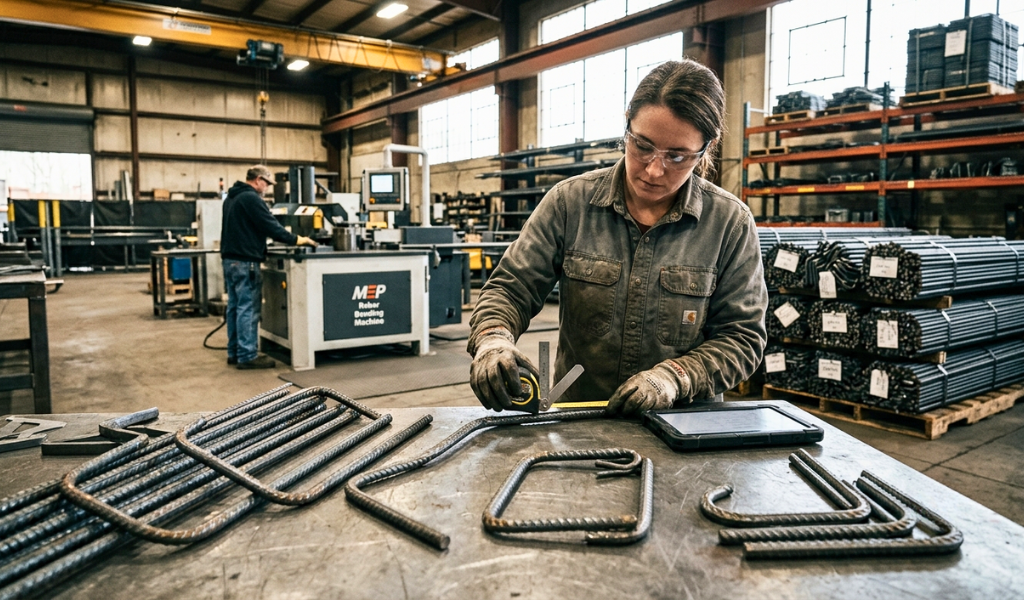
Fabricated reinforcement shall be inspected before delivery or installation. Spot checks can catch dimensional errors before they become problems on site.
Practical Information Table
|
Rebar bending issue |
Possible impact |
Recommended prevention |
|
Incorrect bend angle |
Bar may not fit correctly |
Verify machine settings and drawings |
|
Wrong cutting length |
Wastage or unusable reinforcement |
Check cutting schedules before fabrication |
|
Incorrect bend location |
Installation difficulties |
Measure bend positions carefully |
|
Wrong bar diameter |
Structural and compliance concerns |
Match bars with approved schedules |
|
Inconsistent bends |
Slower installation |
Use controlled fabrication processes |
|
Poor final inspection |
Errors reach the construction site |
Conduct dimensional quality checks |
Choosing a Reliable Supplier for Accurately Bent Rebar
The quality of the reinforcement can vary greatly depending on the supplier you choose. Contractors should find a supplier with the appropriate fabrication capabilities, experienced personnel, and consistent inspection procedures.
A good supplier should be able to work off approved drawings and bar bending schedules and still be able to cut and bend accurately throughout production.
Talai Al-Folath For Manufacturing Company can offer assistance for projects that demand well-prepared reinforcement solutions, helping contractors bypass fabrication issues and enhance site efficiency.
Also check production capacity, quality procedures, delivery reliability, and the supplier’s ability to handle project-specific reinforcement requirements when choosing a supplier.
How Do Professional Cut-and-Bend Services Reduce Construction Errors?
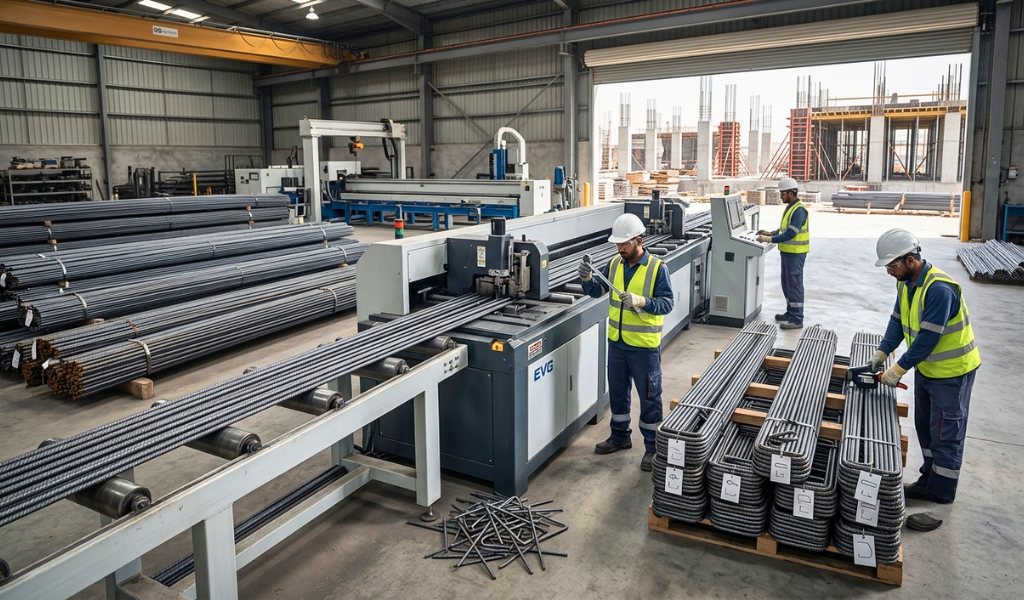
By moving much of the fabrication work from a hectic job site to a controlled production environment, professional cut and bend services greatly reduce the chances of rebar bending errors.
Specialised equipment can help provide better consistency in cutting and bending, and systematic checks can help in identifying errors before the reinforcement reaches the project site. This will help cut down on rework, material waste, and installation delays.
Professional fabrication can also make it easier to organise reinforcement. Bars can be produced on time and to project requirements, enabling site teams to spend less time physically measuring, cutting, and bending materials.
For larger or more technical projects, working with an experienced reinforcement supplier can offer added peace of mind regarding dimensional accuracy and production consistency. Talai Al-Folath For Manufacturing Company specialises in reinforcement solutions that meet the requirements of the project and, at the same time, support efficient construction workflows.
Conclusion
Accurate drawings, accurate measurements, and consistent fabrication procedures are the first steps in avoiding common mistakes in rebar bending. If not detected early, errors in bend angles, cutting lengths, bar sizes, and locations of bends can lead to unnecessary waste and problems in installation.
Effective rebar bending quality control alongside professional fabrication can help contractors to get more reliable reinforcement and smoother site operations. In the case of projects that need accurate preparation of reinforcements, working with an experienced supplier can be a practical step to reduce fabrication errors and improve construction efficiency.
FAQ's
1. What are the most common rebar bending errors?
The most common errors include incorrect bend angles, inaccurate cutting lengths, misplaced bends, incorrect bar diameters, and inconsistent bar shapes.
2. How can rebar bending mistakes be prevented?
They can be prevented by checking approved drawings, verifying measurements, using properly calibrated equipment, and inspecting finished reinforcement before delivery.
3. Why is correct rebar bending important?
Correct rebar bending helps reinforcement fit its intended position, supports accurate installation, and reduces the risk of rework caused by dimensional errors.
4. What causes rebar bending problems on construction sites?
Common causes include inaccurate measurements, outdated drawings, incorrect bar sizes, poor fabrication control, and insufficient inspection of finished reinforcement.
5. Can professional cut-and-bend services reduce reinforcement errors?
Yes. Professional cut-and-bend services use controlled fabrication processes and specialised equipment to improve dimensional consistency, reduce waste and minimise site-based bending mistakes.