Selecting appropriate cut-and-bend rebar suppliers can directly influence the quality of construction, project timelines, and material costs. Purchasing reinforcement steel is more than just the lowest price for large projects in Saudi Arabia. You want consistent bending precision, stable throughput and quality control, and on-time delivery too.
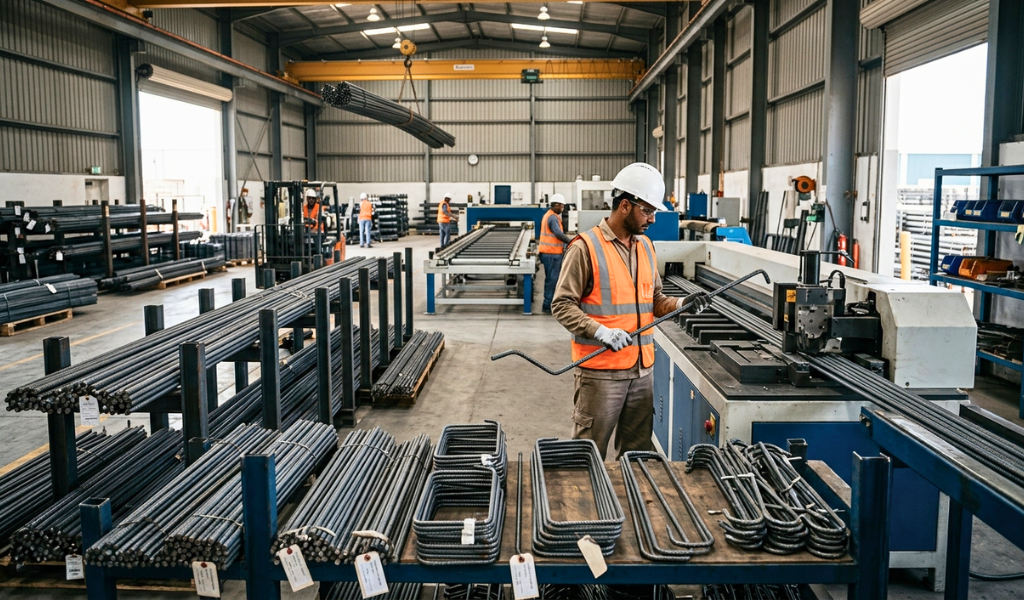
Factory-processed reinforcing steel may come in a prepared-for-installation state according to approved drawings and bar listings. It may lower the volume of on-site fabrication work and allow a cleaner reinforcement placement. When placing an order for a bulk quantity, you can have a higher margin of confidence in selecting the right partner for a project, considering the technical and scheduling needs of the consumer by comparing the suppliers against practical criteria set out by you.
Quick Summary
- Verify rebar quality, check the cutting accuracy and bend consistency.
- Confirm production capacity and large-scale order capabilities.
- Compare delivery schedules, technical support, and documentation.
- Check on the cost again, considering the whole furnished service and not simply the steel rate.
- Confirm specifications, bar schedules, and quality requirements before production.
What Should You Look for in Cut and Bend Rebar Suppliers?
A good supplier shouldn't just supply standard steel. Seek out a company with appropriate processing facilities, seasoned personnel, and institutionalized quality-control operations.
1. Cutting and bending accuracy
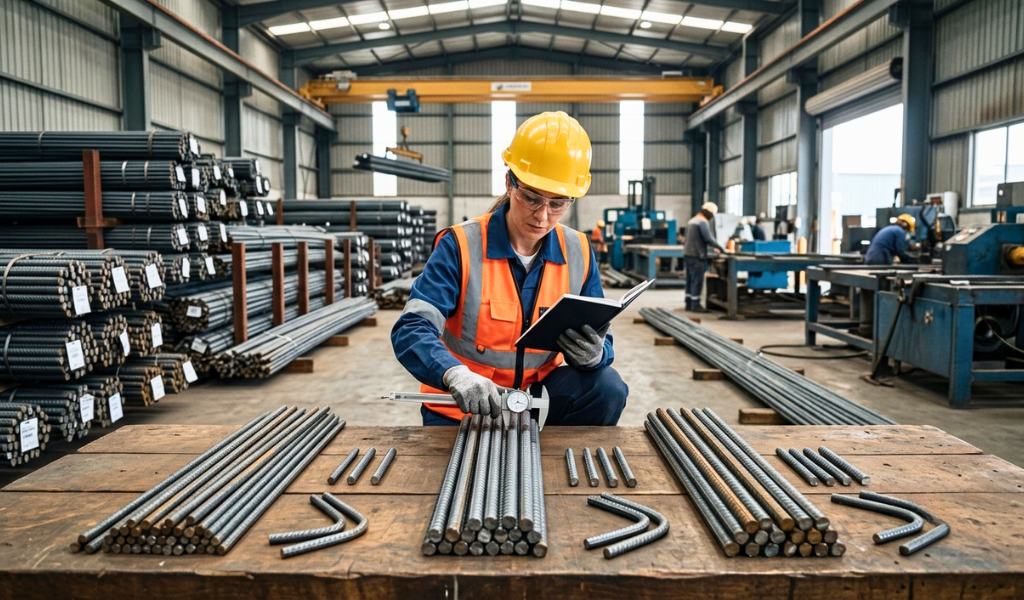
Rebar has to be bent as per the approved bar bending schedules and project drawings. With accurate dimensions and angles, the reinforcement fits well during the installation of the work, and adjustments on site are reduced.
2. Production capacity
Ensure the supplier has sufficient capacity to adequately handle your order quantities for larger developments without delays. Inquire about the current production schedules of the supplier and how they manage bulk/ phased orders.
3. Quality assurance
Confirm whether or not the vendor complies with accepted material certifications and has appropriate inspection and testing practices. Maintaining documentation can also simplify the quality control of the project.
4. Delivery capability
Even capable suppliers can cause headaches if deliveries are not reliable. Evaluate the lead times, or delivery planning, and the supplier should also be able to organize shipments with your construction plan.
Who are the best cut and bend rebar suppliers in Saudi Arabia?
In Saudi Arabia, the most affordable rebar supplier for cut and bend is not always the best option. A good supplier should show consistent quality, accuracy in processing, delivery performance, and production capacity.
When assessing cut-and-bend steel suppliers, remember to check if they are capable of processing your required bar diameters and shapes, working from project-specific schedules and delivering quantities required within the agreed time frame. The experience of having worked on such a large construction and infrastructure project is next to nothing.
How do I choose a reliable cut-and-bend rebar supplier?
Create a checklist for supplier comparison in the beginning. Request information about:
- Available rebar grades and sizes
- Cutting and bending tolerances
- Production capacity
- Quality certificates and inspection records
- Delivery lead times
- Minimum order requirements
- Packaging and identification systems
- Technical support
- Pricing and payment terms
How bar schedules are revised should also be asked. Responsive communication is as essential as the production capabilities for complicated projects.
What are the benefits of using cut and bent rebar?
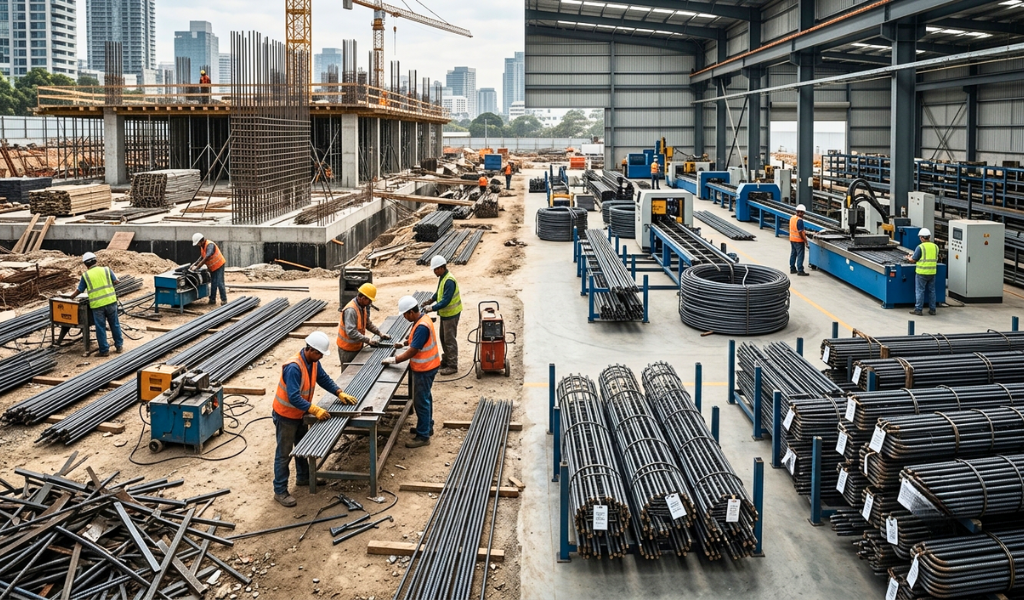
The use of cut-and-bent rebar services shifts labour-intensive reinforcement preparation from the construction site to a controlled and predictable factory setting.
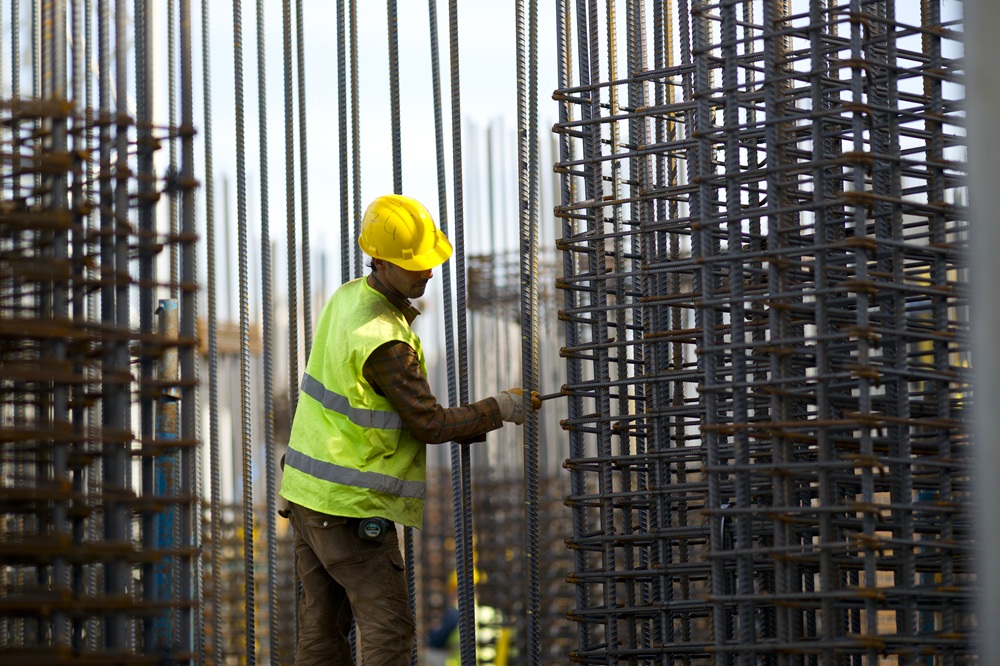
Major advantages comprise enhanced dimensional stability, minimizing cutting and bending at the construction site, ease of handling material, and even quicker reinforcement placement. Pre-processed bars could again be sorted by installation requirements to aid site teams in their work.
These advantages can make prefabricated reinforcement a viable option for contractors working within tight programmes that would otherwise require extensive on-site fabrication.
How does factory-cut rebar reduce construction waste?
These have shapes and lengths that Factory processing knows from project drawings and bar schedules ahead of time. This means fewer offcuts are produced compared to uncontrolled cutting on-site.
Improved material planning, it helps you to establish the right quantities before manufacturing starts. Nevertheless, the waste reduction requires the drawing accuracy, capacity bar scheduling, and coordination of the project team and supplier.
What should I check before ordering cut and bend rebar?
Confirm together the technical and commercial details before finalizing a bulk order.
Technical checks
Verify steel grades, bar diameters, quantities, bending shapes, dimensions, and approved bar schedules. Confirm all project-specific standards or specifications have been communicated in writing.
Commercial and delivery checks
Compare the total price, processing charges, transportation costs, lead time, and payment conditions. A lower unit price may not represent better value if the supplier cannot meet your required delivery schedule.
Supplier capability
This means you request information on their quality systems, production capacity, and use references to back up their experience with similar requirements. When assessing suppliers for processed reinforcement needs in the Saudi market, Talai Al-Folath For Manufacturing Company is one to consider.
Practical Comparison Table
|
Factor |
What to Compare |
Why It Matters |
|
Material quality |
Grade, diameter, and specifications |
Supports structural requirements |
|
Processing accuracy |
Cutting lengths and bend dimensions |
Helps ensure correct site installation |
|
Production capacity |
Monthly/ordered volume |
Reduces risk of supply delays |
|
Quality control |
Testing and inspection procedures |
Supports consistent material quality |
|
Delivery |
Lead time and logistics |
Keeps reinforcement available when required |
|
Technical support |
Drawing and bar schedule coordination |
Reduces ordering errors |
|
Packaging |
Identification and organised bundles |
Makes site handling easier |
|
Pricing |
Material + processing + delivery |
Provides a realistic total-cost comparison |
Conclusion
For the bulk project in KSA, choosing cut-and-bend rebar suppliers is more than just checking the quoted price. Test runway material quality, processing accuracy, factory capacity, quality control, delivery time reliability, and technical support before finalising your supplier.
By using a supplier who understands your bar schedules and can consistently show up with the right amounts of fairly priced, accurately cut and bent reinforcement, you can decrease site labour requirements, improve material handling, and avoid potential construction disruptions. Spend some time comparing suppliers based on the same checklist and verify every technical detail prior to producing the goods. If your project involves cut and bent reinforcement and you have some quantities and specifications, the next logical step is to talk to an experienced supplier.
FAQ's
1. What is cut and bent rebar?
Cut and bend rebar is reinforcement steel that is factory-cut and shaped according to approved project drawings or bar bending schedules before being delivered to the construction site.
2. Why should I use factory-cut and bent rebar?
It can reduce on-site cutting and bending, improve dimensional consistency, simplify material handling, and support faster reinforcement installation.
3. How do I compare rebar suppliers in Saudi Arabia?
Compare their material quality, processing accuracy, production capacity, quality-control systems, delivery performance, technical support, and total pricing.
4. Can cut and bent rebar reduce construction waste?
Yes. Accurate factory processing and planned bar schedules can reduce unnecessary offcuts and improve material utilisation compared with less controlled site fabrication.
5. What information should I provide when ordering cut and bend rebar?
Provide approved drawings or bar bending schedules, steel grade, bar sizes, required quantities, bending details, and delivery requirements. Confirm all specifications before production starts.