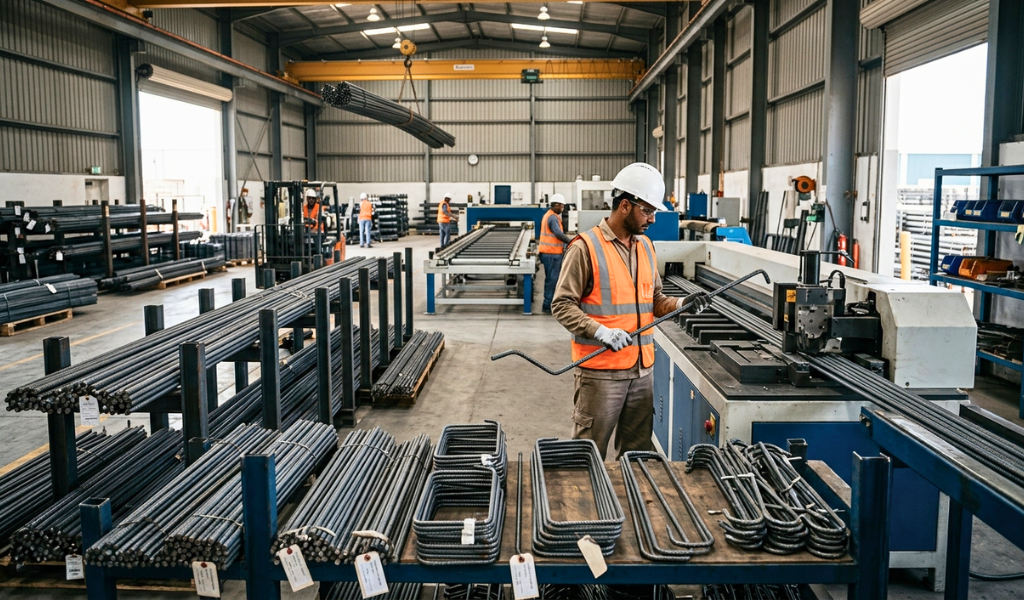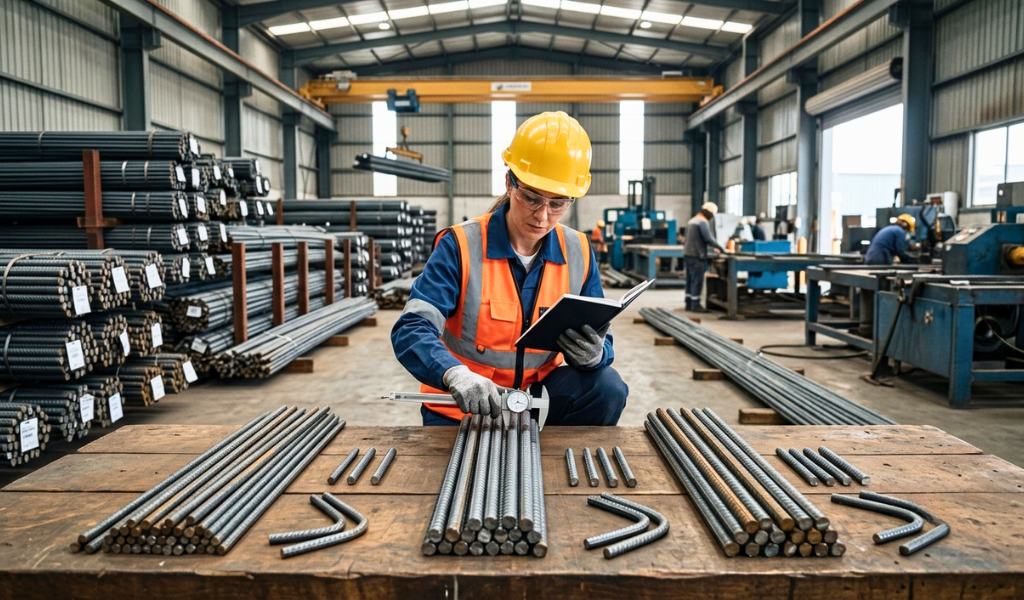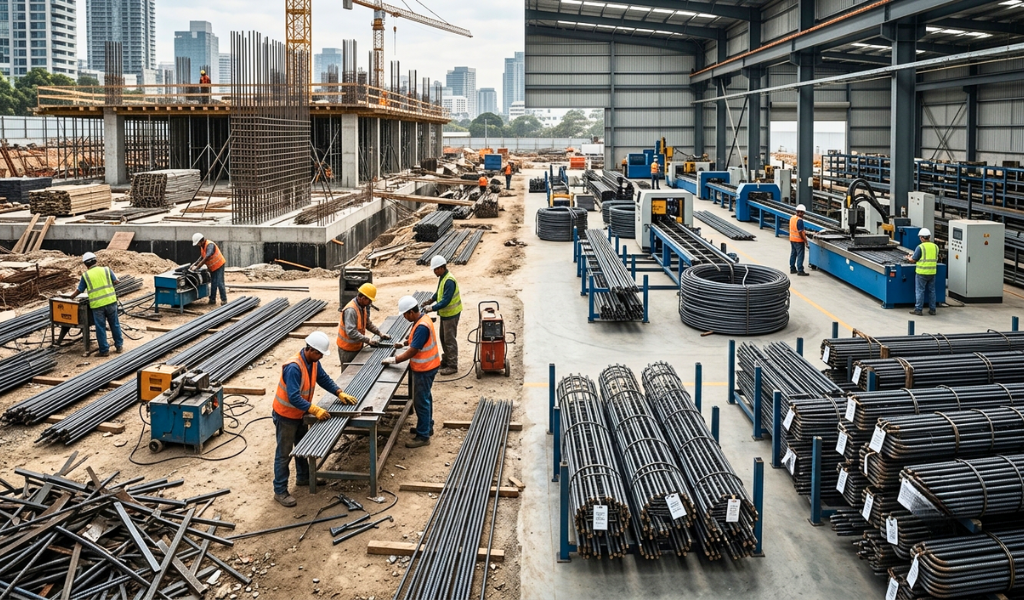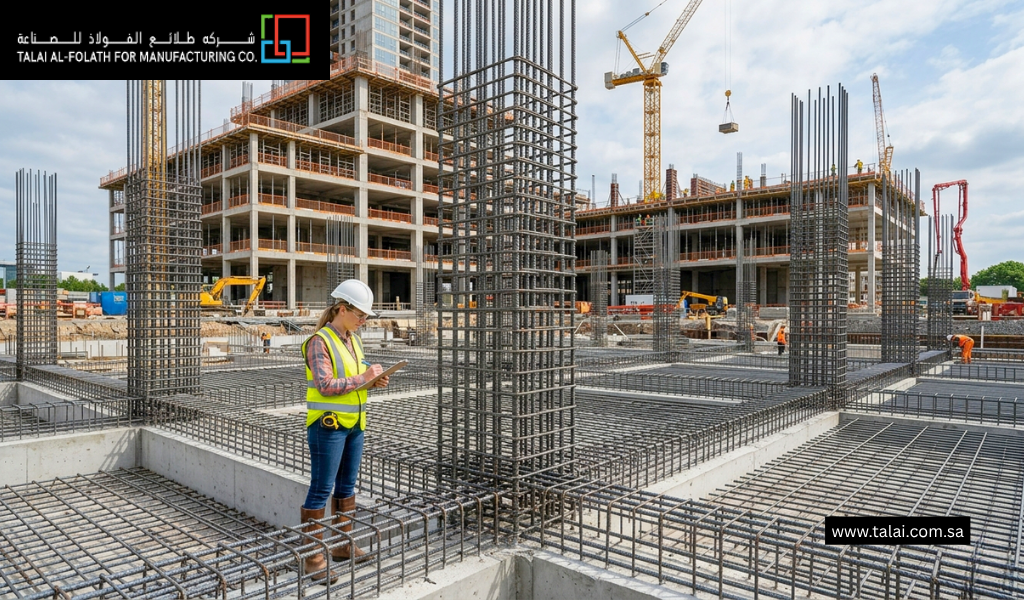
When it comes to constructing durable buildings, bridges, and infrastructure, steel rebar plays a vital role. Even though concrete is extremely strong in compression, it can crack under tension. Enter steel rebar; this is where it becomes critical. It enhances strength, durability and long-term performance of the concrete structures by reinforcing them.
Whether it is a residential project or a large-scale commercial development, steel rebar still stands as one of the most trusted building materials in contemporary construction. The potential to improve robustness makes it a must-use in this line of work if you want safe results, something engineers, architects and contractors all find useful.
Quick Summary
- Steel rebar strengthens concrete by improving tensile resistance.
- It increases the lifespan and durability of structures.
- Reinforcement steel bars help prevent cracking and structural failure.
- Essential for residential, industrial, and commercial building reinforcement.
- Supports earthquake-resistant and heavy-load construction projects.
What Is Steel Rebar and Why Is It Important?
Steel rebar, or reinforcing bar, is a steel rod embedded in concrete to increase the tensile strength of concrete. Steel rebar is added to provide a framework for the concrete, as simply using concrete elements would suffer from cracking when exposed to continuing stretching forces.
This pairing of concrete and steel forms a more composite material that is able to withstand harsh construction conditions. This is why, in most cases, steel rebar has been utilized for foundations, columns, beams and walls retained as well as bridges and roads.
Key Benefits of Steel Rebar
- Enhances structural strength
- Reduces cracking and deformation
- Improves load-bearing capacity
- Extends building lifespan
- Increases safety and reliability
How Reinforcement Steel Bars Improve Structural Performance?
Reinforcement steel bars are extremely important in modern construction, because they provide tension strength in concrete where the concrete would fail on its own.
These bars help structures withstand:
- Heavy traffic loads
- Strong winds
- Temperature fluctuations
- Ground movement
- Long-term wear and tear
Incorporating reinforcement steel bars in projects helps builders to make it more stable for the long-term, and carry out maintenance work with better efficiency.
What is the Difference Between TMT Bars And Steel Rebar?
Many people use these terms interchangeably, but there is a distinction.
Steel rebar is a general term for reinforcing steel used in concrete structures. TMT (Thermo-Mechanically Treated) bars are a type of steel rebar made through a unique process that involves heating and cooling.
Comparison Table
|
Feature |
Steel Rebar |
TMT Bars |
|
Definition |
General reinforcing steel |
Advanced type of steel rebar |
|
Strength |
High |
Very high |
|
Ductility |
Good |
Excellent |
|
Corrosion Resistance |
Moderate |
Improved |
|
Earthquake Resistance |
Good |
Superior |
|
Common Use |
General construction |
Modern high-rise and infrastructure projects |
Because of their enhanced properties, TMT bars are widely preferred for large-scale and safety-critical projects.
Why Steel Rebar Matters in Commercial Construction?
Commercial structures often face greater structural demands than residential buildings. Shopping centres, office complexes, warehouses, and industrial facilities require strong support systems to carry significant loads.
Commercial Building Reinforcement Benefits
- Supports larger spans and heavier loads
- Enhances structural integrity
- Reduces long-term repair costs
- Improves compliance with safety standards
- Increases overall building lifespan
That is why structural reinforcement systems used in commercial construction usually involve a considerable quantity of customized steel rebar.
Why is Steel Rebar Important for Earthquake-Resistant Buildings?
The lateral forces produced during an earthquake are much larger than the gravity loads which a concrete structure can satisfy without ferrule.
Steel rebar improves earthquake resistance by:
- Increasing structural flexibility
- Absorbing seismic energy
- Reducing sudden structural failure
- Preventing severe cracking
- Maintaining building stability during ground movement
In earthquake-prone areas, engineers calculate the optimal placement of rebar to ensure safety and efficacy.
Practical Information Table
|
Construction Application |
Recommended Use of Steel Rebar |
Primary Benefit |
|
House Foundations |
Standard reinforcement layout |
Prevents settlement cracks |
|
Multi-Storey Buildings |
High-strength reinforcement steel bars |
Improved load capacity |
|
Bridges |
Heavy-duty steel rebar systems |
Enhanced durability |
|
Retaining Walls |
Corrosion-resistant rebar |
Better soil pressure resistance |
|
Industrial Facilities |
Commercial building reinforcement designs |
Long-term structural reliability |
|
Earthquake Zones |
High-ductility reinforcement systems |
Increased seismic protection |
Choosing Quality Building Materials for Better Results
Choosing quality building materials is as crucial as design-wise construction. Quality rebar is unbelievably dependable and improves the life of any structure as a result of its toughness.
When choosing steel rebar, consider:
- Compliance with industry standards
- Corrosion resistance
- Tensile strength ratings
- Supplier reputation
- Project-specific requirements
Using trusted suppliers is required to guarantee that the chosen products are built correctly for more than a long period of time.
Conclusion
In order to construct resilient and long-lasting buildings, a solid foundation is relied upon,steel rebar remains one of the most essential elements of contemporary construction. Whether it is used in residential foundations, bridges, or a commercial building strengthening project, it enhances strength, safety and durability of the construction.
With the changing construction standards, quality reinforcement steel bars and appropriate building materials are found to be the key in producing dependable results. If you are planning any construction project, then the best way to go about it is by talking to some qualified reinforcement specialists who can help you ensure that you get the right steel rebar solution for your specific needs.
FAQ's Related to Steel Rebar
1. What is steel rebar used for?
Steel rebar is used to reinforce concrete structures, improving their tensile strength, durability, and load-bearing capacity.
2. Why is steel rebar necessary in concrete?
Concrete is strong under compression but weak under tension. Steel rebar helps prevent cracking and structural failure by providing additional support.
3. Are TMT bars better than traditional steel rebar?
TMT bars are a specialised form of steel rebar that offer improved strength, flexibility, and corrosion resistance, making them ideal for modern construction.
4. How long does steel rebar last in construction?
When properly installed and protected from corrosion, steel rebar can last for several decades and contribute to the longevity of the structure.
5. Can steel rebar improve earthquake resistance?
Yes. Steel rebar enhances flexibility and energy absorption, helping buildings withstand seismic forces more effectively.