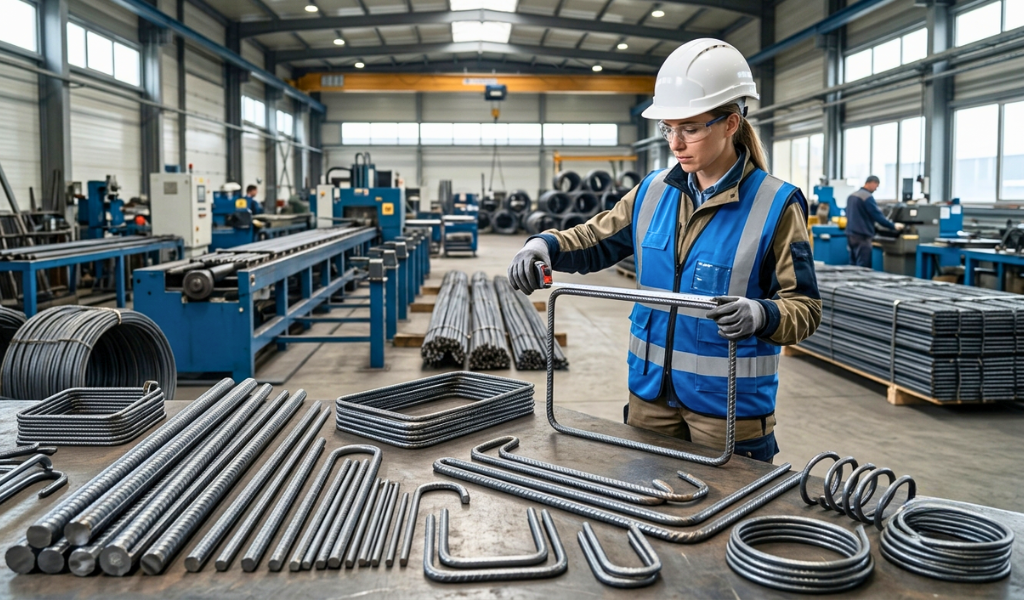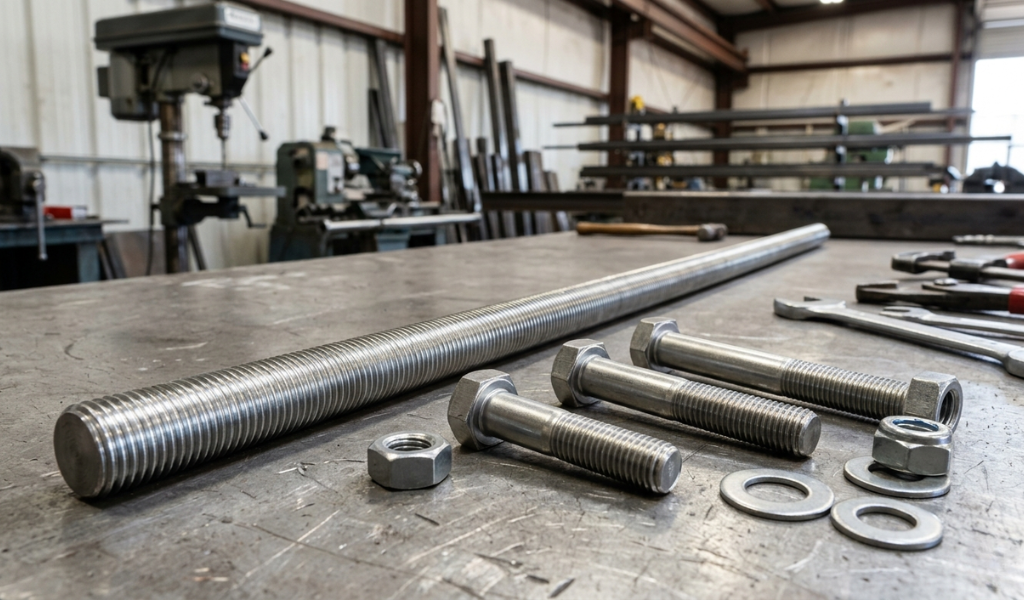
Rebar couplers are mechanical connectors used to connect two reinforcing steel bars in reinforced concrete structures. They offer a practical alternative to traditional lap splicing, helping construction teams create strong, reliable joints and optimize space utilization in concrete elements.
Choosing the right connection method is critical in KSA, where residential developments, commercial buildings, infrastructure, and industrial projects need reliable reinforcement systems. Mechanical rebar couplers can help improve reinforcement placement, simplify installation, and support efficient construction when specified and installed properly.
Understanding the different types, benefits, and applications of rebar couplers can help engineers, contractors, and procurement teams make informed decisions for their projects.
Quick Summary
- Rebar couplers are mechanical devices used to connect reinforcing steel bars in concrete structures.
- They can reduce congestion of reinforcement compared with traditional lap splicing.
- Different types of couplers are suitable for different bar sizes, connection requirements, and site conditions.
- Dependable performance is a function of the right selection, installation, and quality checks of the product.
- The specifications of the Saudi Arabia project and the applicable engineering standards should be followed on construction projects.
What Are Rebar Couplers?
Rebar couplers are specially designed metal connectors that connect reinforcing bars to transfer tensile and compressive forces across a connection. They are often used where it is necessary to have continuity of reinforcement without overlapping long lengths of steel bars.
Lap splices do not depend on overlapping bars and the surrounding concrete to transfer forces. Mechanical connections transfer loads through the coupler and its engagement with the reinforcement.
The actual performance depends on connector design, bar preparation, installation technique and specified connection requirements.
How Do Mechanical Rebar Couplers Work?
Rebar couplers are usually mechanical and connect two rebars by means of threading or approved mechanical lock.
The installation process generally involves:
- Preparation of the reinforcement: The bars are cut, threaded or otherwise prepared as required by the coupler system.
- Positioning the connector: align the coupler with the reinforcing bar.
- Securing the connection: The bars are engaged using the manufacturer's specified installation procedure.
- Inspecting the joint: The connection is checked for correct engagement, alignment and compliance with project requirements.
Following the manufacturer's instructions and the engineer's specifications is essential to achieving the intended connection performance.
What Are the Main Types of Rebar Couplers?
Different reinforcement systems need different connection solutions. The best choice depends on the design, the bar arrangement and the site conditions.
1. Threaded Rebar Couplers
Threaded couplers are used to join bars with matching threads. They are widely used in projects where uniform mechanical engagement and reliable reinforcement continuity are required.
They are particularly useful when the reinforcement details are designed for easy threading.
2. Position Couplers
Position couplers are used when one or both reinforcement bars cannot be rotated freely during installation. They may be useful in complex reinforcement arrangements where access or bar positioning is limited.
3. Transition Couplers
Transition couplers join reinforcing bars of different sizes. They can support changes to the structure in terms of the size of reinforcement as long as the connector is suitable for the design loads and the specified bars.
4. Grout-Filled or Specialised Couplers
Some connection systems use grout or specialised locking mechanisms to achieve the required joint performance. These products are selected according to structural design requirements and the manufacturer's approved installation procedures.
Key Benefits of Rebar Couplers in Construction
If mechanical connections are suitable for the structure, the application of reinforcement bar couplers may be associated with several practical advantages.
Less congestion of reinforcement: Removal of long overlaps can free space around heavily reinforced columns, beams and joints.
Material efficiency: Mechanical connections can, depending on the design, reduce the amount of additional steel for lap lengths.
Simplified reinforcement detailing: Couplers can help engineers manage complex reinforcement layouts and bar continuity.
Possible installation efficiencies: Well-planned connections can allow more organized reinforcement installation on site.
Load transfer reliability: Properly installed and approved systems can provide the mechanical performance needed in the structural design.
These benefits do not come for free. The actual results are dependent on the type of coupler, structural requirements, quality of installation, and project planning.
Common Rebar Coupler Applications in KSA
The construction sector in Saudi Arabia contains projects with different reinforcement requirements, from high-rise projects to industrial plants and infrastructure.
Common rebar coupler applications include:
High-Rise Buildings
Dense reinforcement can be found in columns, core walls, and other vertical structural members. Mechanical connections can help to ease congestion and improve access to concrete placement.
Infrastructure Projects
Reinforcement connections for bridges, retaining walls, tunnels, and other infrastructure structures may have to satisfy demanding design and inspection requirements.
Industrial and Commercial Facilities
Mechanical connections simplify the reinforcement detailing of reinforced concrete foundations, columns, and structural elements commonly found in factories, warehouses, and commercial developments.
Large Foundation Systems
Carefully designed layouts of couplers can be beneficial for raft foundations and heavily reinforced bases where traditional lap splices would result in excessive congestion of steel.
Engineers shall verify that the connection system selected for KSA projects meets the applicable provisions of the Saudi Building Code, project specifications, and related testing requirements.
Rebar Couplers vs Traditional Lap Splicing
Both methods can connect reinforcing bars, but they differ in installation, material use, and detailing.
|
Comparison factor |
Mechanical rebar couplers |
Traditional lap splicing |
|
Connection method |
Mechanical engagement between bars |
Overlapping bars within concrete |
|
Reinforcement congestion |
Can reduce congestion |
May increase congestion in heavily reinforced areas |
|
Steel requirements |
May reduce additional steel for overlaps |
Requires specified lap lengths |
|
Installation |
Requires compatible bars and correct installation |
Requires correct overlap positioning and reinforcement fixing |
|
Design suitability |
Depends on connector capacity and approval |
Depends on bar size, concrete, design loads and applicable rules |
|
Typical consideration |
Connector selection and installation quality |
Lap length, spacing and concrete placement |
Neither method is universally preferable. The structural engineer should determine the appropriate connection method for each application
How to Choose the Right Steel Reinforcement Couplers?
Selecting suitable steel reinforcement couplers requires more than comparing prices. Consider the following factors before purchasing.
Check Bar Diameter and Compatibility
Ensure connector is suitable for sizes, grades and preparation methods of the reinforcing bars specified for the project.
Review Strength Requirements
Check the required tensile strength, ductility and other performance indexes. Request the test reports and conformity documentation as needed.
Consider Site Conditions
The choice of coupler can also be influenced by restricted access, bar rotation, installation sequence and available working space.
Verify Quality and Installation Requirements
Choose products that have clear installation instructions and relevant quality documentation. Ensure site personnel are familiar with the procedures and inspection checks required.
Work with a Suitable Supplier
In Saudi Arabia, working with an experienced supplier of reinforcement products can help procurement teams identify compatible products and clarify technical requirements.
Talai Al-Folath For Manufacturing Company gives construction professionals a way to find reinforcement connection products to meet their projects’ needs. See the coupler product page for available options and inquire about suitability to your application.
Conclusion
Rebar couplers offer a practical means of making mechanical connections between reinforcing steel bars in reinforced concrete construction. When properly specified and installed, they can reduce reinforcement congestion, allow for efficient detailing, and help meet structural connection requirements.
The right choice for projects across Saudi Arabia depends on bar compatibility, design loads, installation conditions, and compliance with relevant engineering standards. Consult your structural engineer on the technical requirements prior to selecting a product and consult your supplier on the suitability of the connector.
Frequently Asked Questions
1. What are rebar couplers used for?
Rebar couplers connect reinforcing steel bars mechanically in reinforced concrete structures. They help maintain reinforcement continuity and can reduce the need for overlapping bars.
2. Are mechanical rebar couplers stronger than lap splices?
Not necessarily in every application. Their performance depends on the coupler design, bar compatibility, installation quality, and applicable structural requirements. Both methods must satisfy the engineer's design criteria.
3. Where are rebar couplers commonly used in Saudi Arabia?
They can be used in high-rise buildings, industrial facilities, foundations, bridges, retaining walls, and other reinforced concrete projects where mechanical connections are suitable.
4. How do I choose the correct reinforcement bar couplers?
Consider bar diameter and grade, required load capacity, connection type, site access, installation procedures, and project specifications. Check relevant technical documentation before purchasing.
5. Do rebar couplers reduce steel consumption?
They can reduce the additional steel needed for lap lengths in suitable applications. However, the actual saving depends on the structural design, reinforcement layout, and coupler requirements.