Ordering cut and bend rebar is much easier when the reinforcement requirements are clearly defined from the outset. Accurate project drawings, bar dimensions, steel grades, bending details, and delivery requirements help ensure that the reinforcement is fabricated correctly and ready for erection.
Providing complete information can also reduce rework, material waste, and delays for contractors and project teams. Having the right information available makes ordering individual bars or larger quantities of prefabricated reinforcement steel more efficient.
Quick Summary
- Provide the latest approved structural drawings and reinforcement drawings
- Bar diameter, grade, shape, length, and quantity to be specified.
- Check the bending details and project standards.
- Verify bar schedules, sizes, and quantities prior to approval.
- Partner with an experienced supplier for accurate reinforcement steel fabrication.
What Is Cut & Bend Rebar and How Is It Ordered?
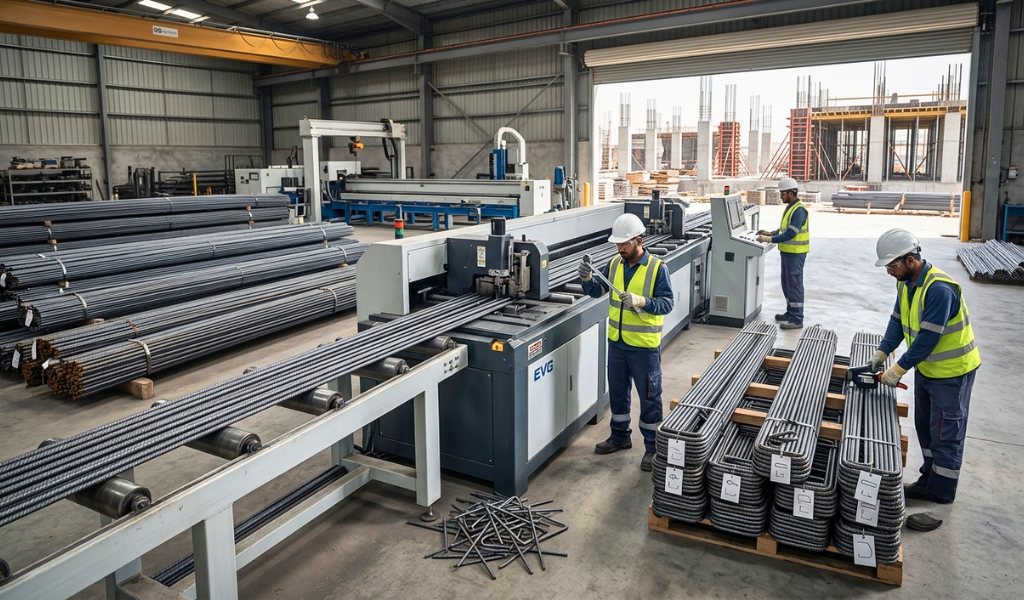
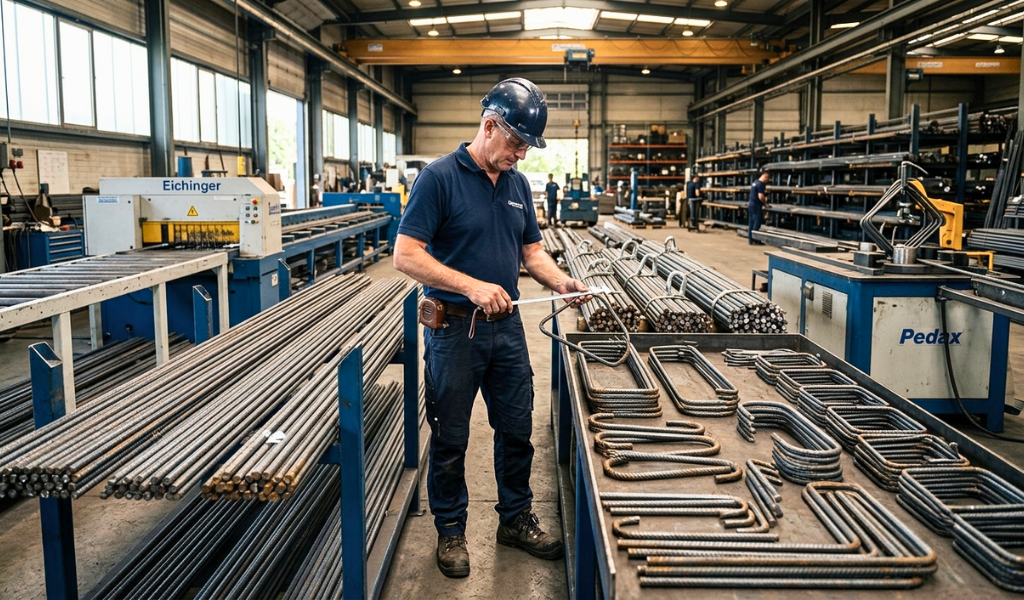
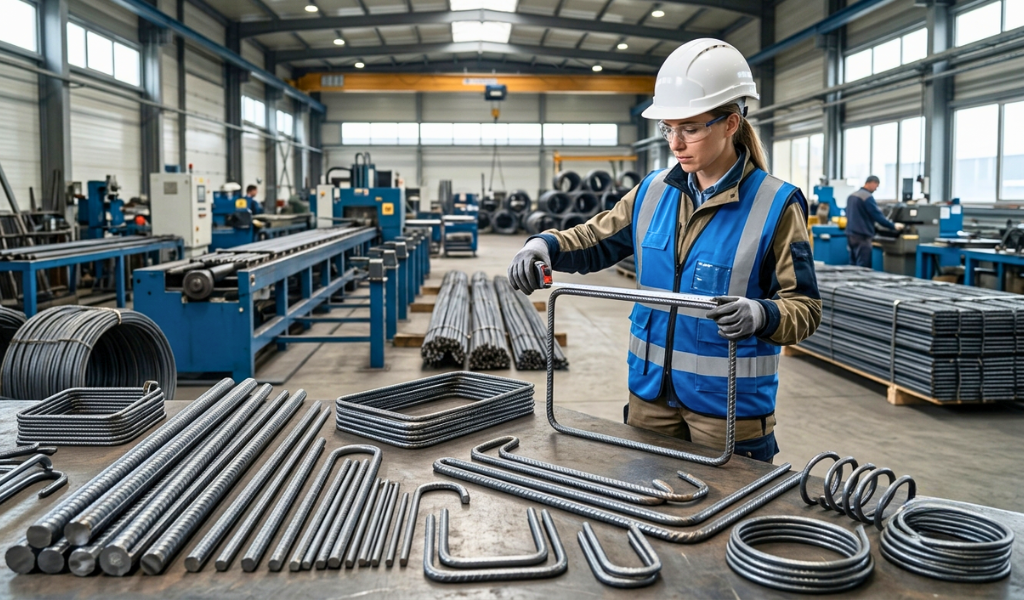
Cut and Bend Rebar manufacturer steel that has been cut to required lengths and mechanically bent to required shapes, prior to arriving on the construction site. This can make site installation easier and more consistent.
Typically, the process of ordering begins with drawings or a bar bending schedule. The supplier verifies the information, confirms the required specifications, and prepares the reinforcement according to the approved details.
If you have large quantities or complex shapes of rebar, professional rebar cutting and bending services can be very helpful. Then the finished bars can be arranged for delivery and installation.
Which Project Drawings Should You Provide?
The quality of the drawings is directly proportional to the accuracy of fabrication. If possible, submit the latest structural drawings and reinforcement details approved.
Useful documents may include:
- Drawings of structural reinforcement
- Bar Bending Schedule
- Foundation and footing plans
- Details of reinforcement of beams and columns
- Reinforcement drawings for slabs
- Shear wall and other structural element details
- Project specifications of interest
Drawings should show bar marks, diameters, spacing, dimensions, shapes, and quantities where applicable. If you have revised drawings, make sure you specify the latest approved version so that you will not fabricate using old information.
What Specifications Are Required for Rebar Cutting and Bending?
Several technical details should be confirmed before production begins.
Steel Grade and Diameter
Mention the required grade of reinforcement steel and diameter of bars. The different structural elements may need different bar sizes and grades.
Bar Length and Shape
Provide correct cutting lengths and bending shapes from the approved drawings or bar bending schedule. Shape codes or detailed bending information can help to reduce interpretation errors.
Quantity
Specify the quantity of each type of bar mark or reinforcement. 1. When quantities are fixed, it is easier to plan production and control materials.
Standards and Project Requirements
Identify relevant technical standards, tolerances and project-specific requirements. This is especially important when reinforcement is being carried out for major commercial, industrial or infrastructure projects.
Delivery Requirements
Indicate the required delivery location, preferred delivery schedule, and any site-specific unloading or packaging requirements. This enables the supplier to plan better for production and dispatch.
What Should I Check Before Approving a Rebar Order?
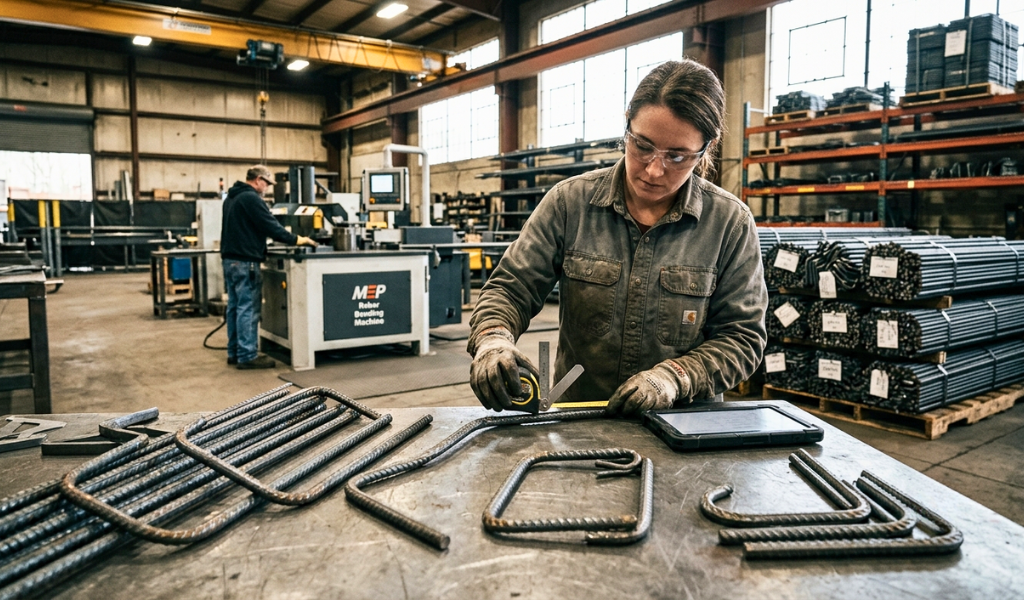
Compare the fabrication information to the most recent approved drawings prior to approving an order. Be sure to check all of the important details, not just the total amount of steel.
For example, check bar marks, diameters, lengths, shapes, quantities, and bend details. Also, should be checked if the correct steel grade and the applicable standards have been stated.
For large projects, a final review by the appropriate technical or site team can pick up discrepancies before fabrication begins. If you have a project that requires proper reinforcement preparation according to specifications, suppliers like Talai Al-Folath For Manufacturing Company can help.
Practical Information Table
|
Information to Provide |
What to Check |
Why It Matters |
|
Project drawings |
Latest approved revision |
Prevents fabrication from outdated information |
|
Bar diameter |
Required size for each bar mark |
Ensures structural requirements are followed |
|
Steel grade |
Correct grade and specification |
Confirms the required material properties |
|
Bar length |
Cutting dimensions |
Supports accurate fabrication |
|
Bending shape |
Shape, angles and dimensions |
Ensures bars fit the intended structural element |
|
Quantity |
Bar marks and total quantities |
Helps control material and production planning |
|
Standards |
Applicable codes and project requirements |
Supports compliance with project specifications |
|
Delivery details |
Location, timing and site requirements |
Helps coordinate efficient delivery |
Why Accurate Information Matters?
Clearly articulated ordering information benefits the builder and the supplier of the reinforcement. This saves the trouble of always having to clarify and lets production happen according to the agreed requirements.
The use of pre-fabricated reinforcement steel can also help with faster site installation, as the bars arrive ready for their intended structural use. Professional fabrication of reinforcement steel can provide more consistency, provided cutting and bending are done with the right equipment and controlled processes.
If your project includes cut and bend steel, accuracy should be your priority from the drawing stage to delivery.
Conclusion
Accurate and complete project information is the first step to a successful rebar cut & bend order. The fabricator is supplied with the information required to prepare reinforcement correctly by providing approved drawings, bar schedules, steel grades, dimensions, bending details, quantities, and delivery requirements.
Please review the fabrication details against the latest project documentation before approving the order. This simple step can help to keep the reinforcement process organised and cut down on errors, waste of material, and installation delays.
FAQ's
1. What information is needed to order cut & bend rebar?
You generally need approved drawings or bar schedules, steel grade, bar diameter, cutting lengths, bending shapes, quantities, applicable standards, and delivery details.
2. Which drawings are needed for rebar cutting and bending?
Structural reinforcement drawings and bar bending schedules are typically required, along with relevant foundation, beam, column, slab, and wall reinforcement details.
3. Why is a bar bending schedule important?
A bar bending schedule provides important information such as bar marks, dimensions, quantities, and shapes, helping the fabricator prepare reinforcement accurately.
4. Can cut & bend rebar reduce work on a construction site?
Yes. Bars are prepared to specified lengths and shapes before delivery, which can simplify installation and reduce the need for cutting and bending work on site.
5. What should I check before approving a rebar order?
Check the latest drawing revision, bar marks, diameters, lengths, shapes, quantities, steel grade, applicable standards, and delivery requirements before approval.