With the ever-changing and fast-paced environment of the construction industry, cut and bend steel, as well as prefabricated steel, has become an important solution of choice for increasing efficiencies and accuracy of the project while improving structural performance. Contractors can have steel prefabricated to tight specifications prior to delivery instead of cutting and bending rebar on-site. This modern method mitigates delays, minimizes material waste, and enhances quality installation. Understanding the advantages of cut-and-bend steel can also help you deliver better results when you're working on residential, commercial, or infrastructure developments.
Quick Summary
- The use of cut-and-bend steel has been shown to allow for faster and more accurate construction.
- It saves material waste and project costs.
- It guarantees quality and compliance by relying on prefabricated reinforcement.
- Dedicated suppliers offer custom solutions for every size of project.
- Modern steel fabrication has supported more efficient and safer building sites.
What Is Cut & Bend Steel?
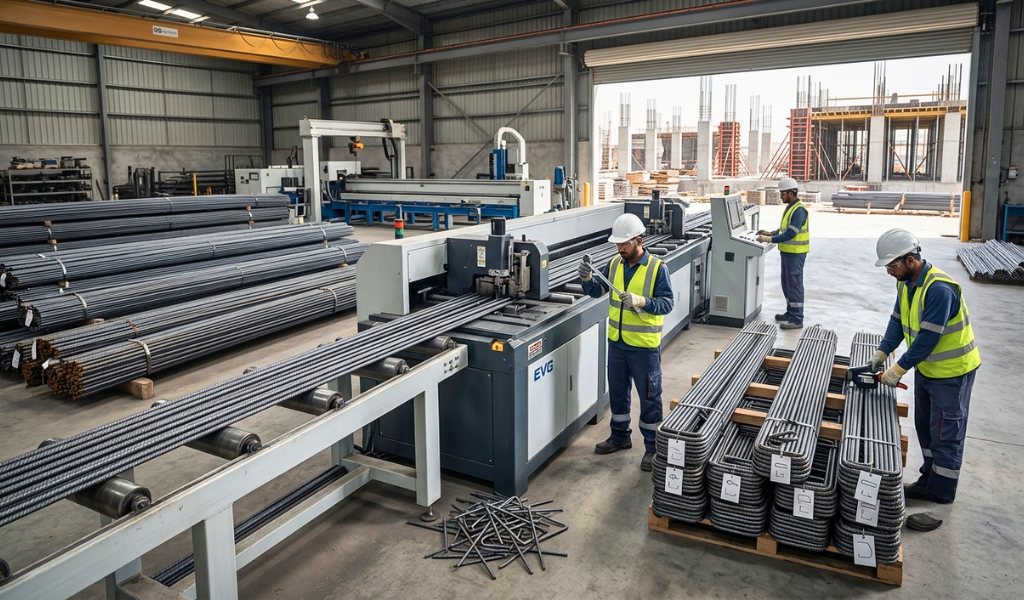
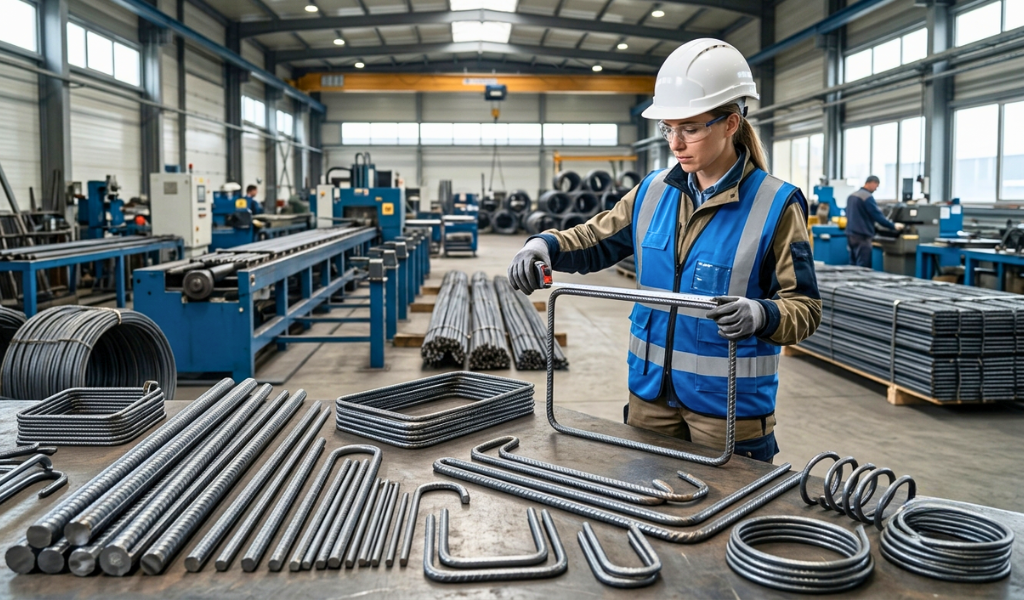
Cut and bend steel is used to refer to the engineering designation of reinforcement bars cut and bent to specific shapes as per engineering drawings before they are brought to site. This is achievable in the construction process phase, where it is not necessary to cut or shape anything manually, unlike the other methods of construction.
The use of professional cut and bend services guarantees that each reinforcement bar is built to the right size, so by default, installation is much quicker and avoids expensive errors.
How Does Cut & Bend Steel Work?
If the structural drawings and reinforcement schedules have been approved, then the process starts. The details in these specifications are transformed into production plans where steel bars will be measured, cut, and bent using industrial machines with precision.
The end products are then packaged and shipped ready for installation. Prefabrication decreases the amount of time the construction team spends handling materials in the field, since the fabricator delivers the reinforcement steel ready to use.
Hidden Benefits of Cut & Bend Steel
Faster Construction Timelines
Prepared reinforcement is delivered to the site ready for installation, so contractors can accelerate projects and also reduce labour-intensive work on site.
Less Material Waste
Such a manufacturing system guarantees that no excess steel is used. This avoids offcuts, minimises disposal costs, and enables more sustainable building practices.
Better Accuracy
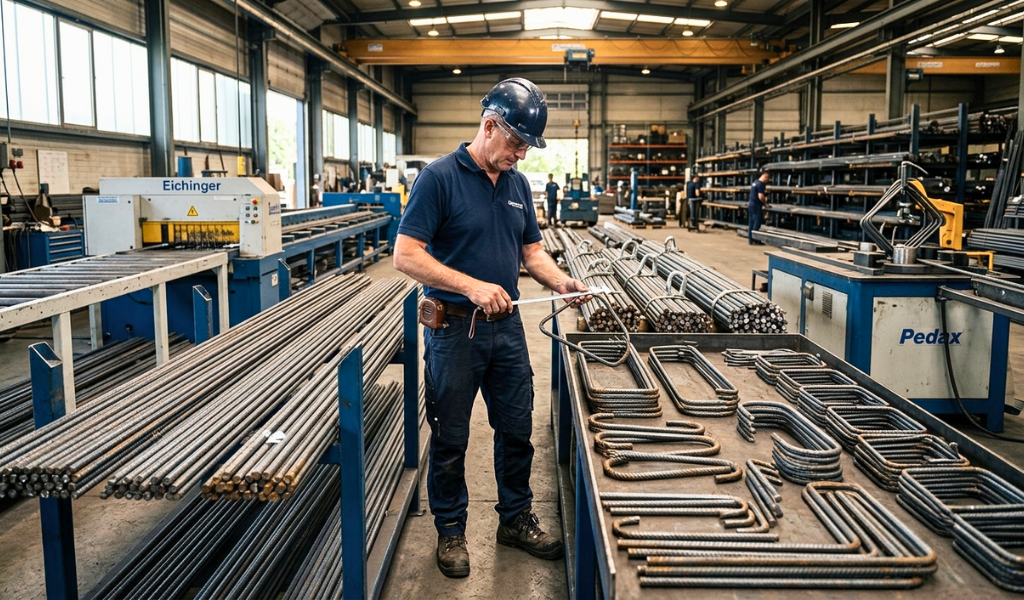
There is no denying that the method of steel fabrication and construction is evolving, with machinery automation providing precise cuts and bends in the steel structure. This enhances structural integrity and reduces installation mistakes.
Improved Site Safety
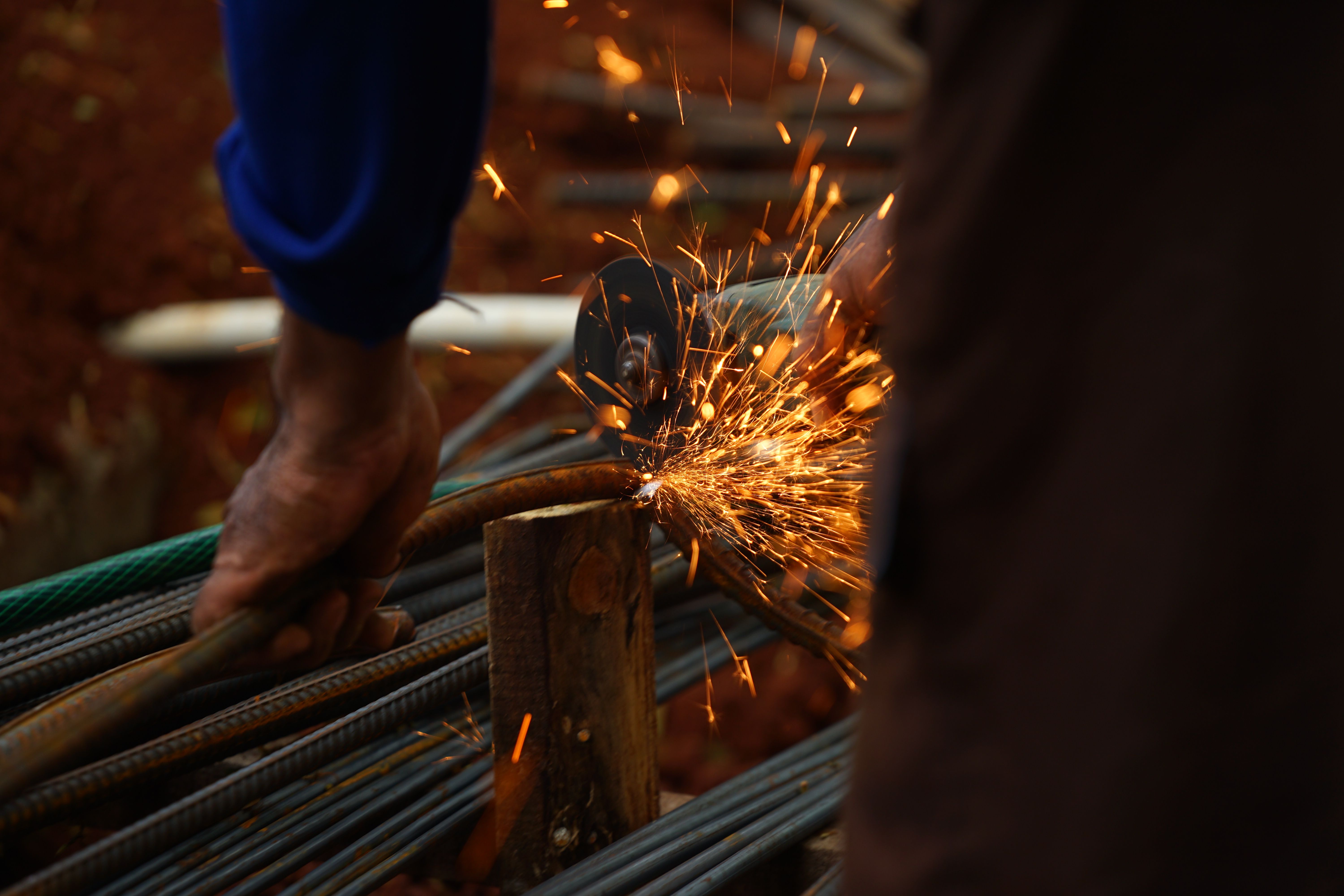
Less cutting and bending on-site means fewer potentially dangerous activities. This generates safer work environments by having cleaner work areas and reduced handling of equipment.
Lower Overall Project Costs
Even though prepared reinforcement when supplied by a professional supplier may seem to be a higher expense at first sight, savings in regard to labour, waste and project durations tend to render the investment in prepared reinforcement as a cheaper alternative.
Higher Quality Control
Reinforcement is inspected by professional manufacturers during production to ensure each raw material is compliant with engineering specifications and industry standards.
All this when compounded shows the longterm benefits of cut and bend steel for all kinds of project, large or small.
Practical Information Table
|
Project Requirement |
Traditional On-Site Steel Processing |
Cut & Bend Steel |
|
Installation Speed |
Slower |
Faster |
|
Material Waste |
Higher |
Minimal |
|
Labour Requirement |
More manual work |
Reduced labour |
|
Dimensional Accuracy |
Depends on site workmanship |
Precision manufactured |
|
Site Safety |
More cutting equipment |
Safer working environment |
|
Project Efficiency |
Moderate |
High |
How to Choose a Reliable Cut & Bend Steel Supplier?
Choosing the correct supplier is an essential part of any project, Okay, so before you make the right call consider the following:
- Select a supplier who has experience in cut and bend steel services.
- Make sure to use the highest machines for verification and capacity.
- Ensure adherence to established quality and safety standards.
- Check your deliveries schedule and aligns with your construction programme.
- Choose a manufacturer that performs both standard and customized reinforcement needs
Companies such as Talai Al-Folath For Manufacturing Company however offer professional reinforcement solutions that are made to help improve efficiency, consistency and project performance.
Conclusion
Cutting and bending steel is considerably more than added convenience, it is a necessity in the face of increasing demands on construction projects. It increases accuracy, reduces waste, increases safety, and allows contractors to deliver projects on time and within budget. Quality prefabricated reinforcement steel made from soft construction steel fabrication helps builders create stronger structures while enabling smarter operational management. One of the best ways to benefit from long-term cut-and-bend steel is to choose an experienced supplier.
FAQ's Related to Cut and Bend Steel
1. What is cut-and-bend steel used for?
Cut & bend steel is used to create accurately shaped reinforcement bars for residential, commercial, and infrastructure construction projects.
2. Why are cut-and-bend steel services better than on-site processing?
They improve accuracy, reduce waste, save labour, increase safety, and help projects finish more efficiently.
3. What are the benefits of cutting and bending steel?
The main benefits include faster installation, reduced material waste, improved quality, lower labour costs, and better project management.
4. Is prefabricated reinforcement steel suitable for large construction projects?
Yes. Prefabricated reinforcement steel is widely used in large-scale developments because it improves productivity and ensures consistent quality.
5. How do I choose the right cut-and-bend steel supplier?
Look for experience, quality certifications, advanced manufacturing equipment, dependable delivery, and the ability to produce customised reinforcement solutions.