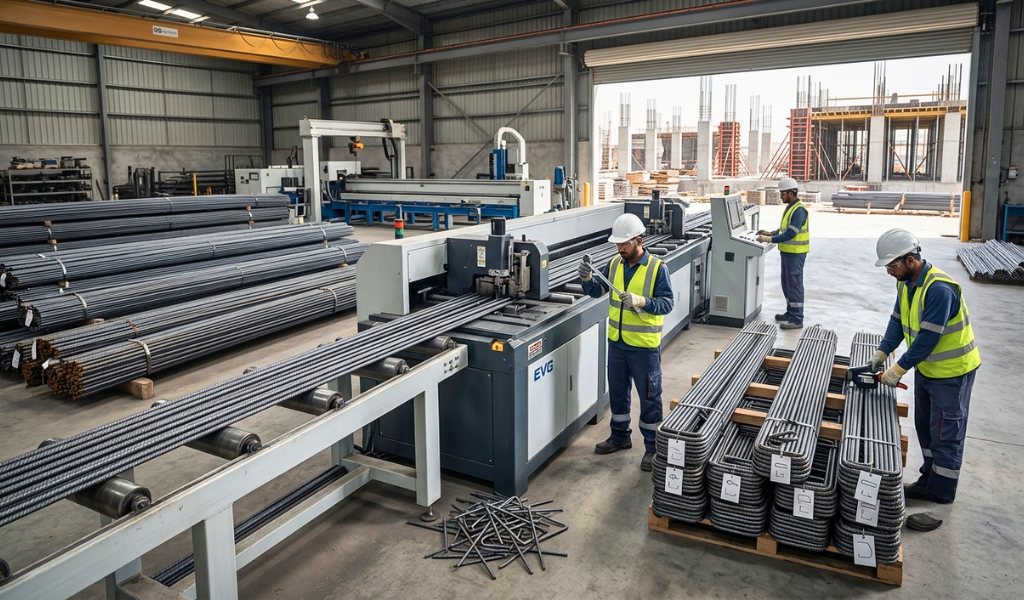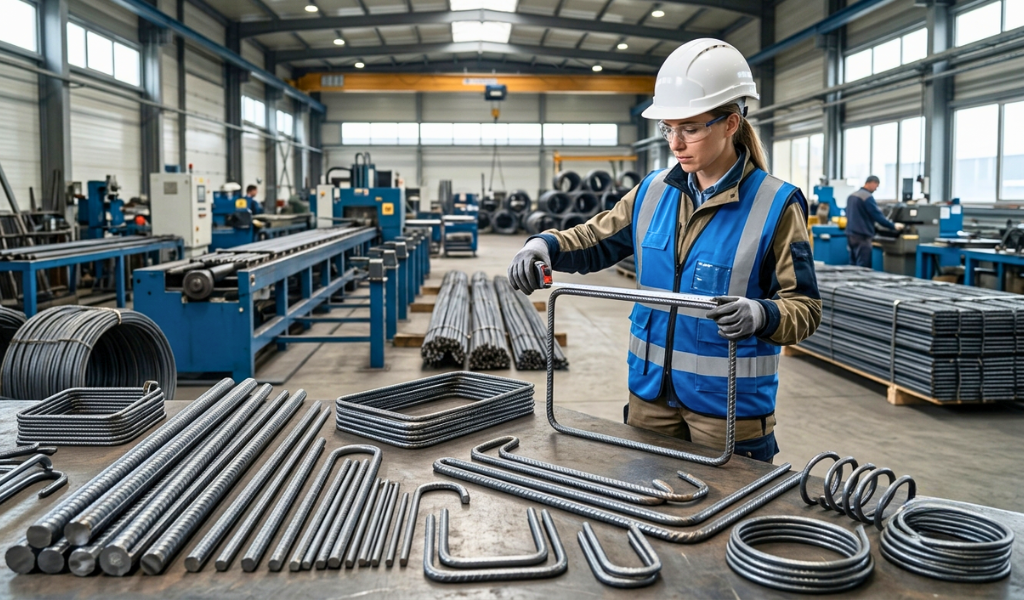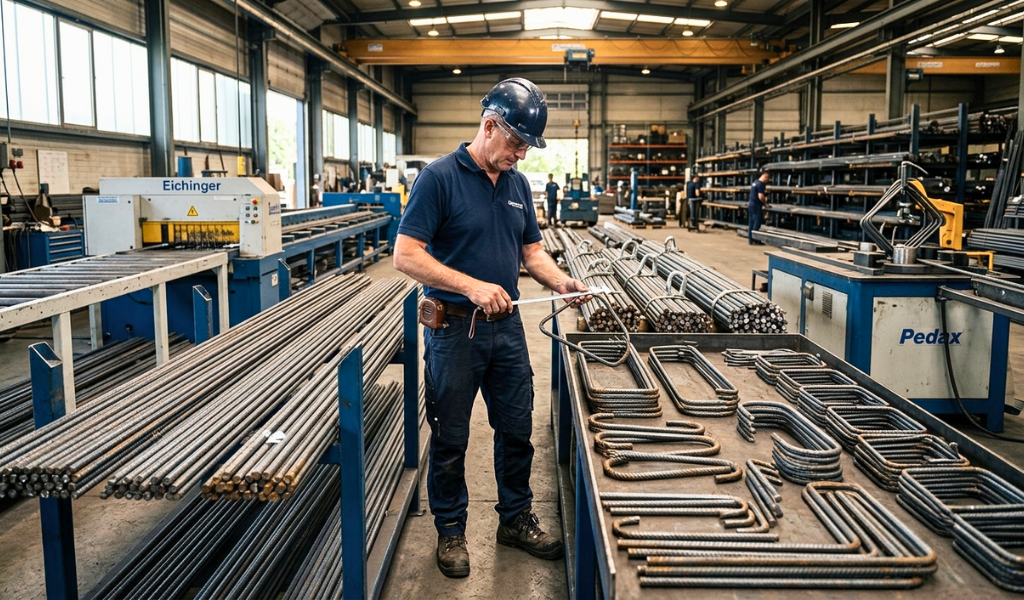
Selecting the correct fastening element is critical to the strength and safety of any construction or commercial task. At first glance, a threaded rod and a threaded bolt look similar, but actually they are used for different purposes. Engineers, contractors, and fabricators benefit from knowing how these materials differ to select the right product for each application. Regardless if you are purchasing from a reputable steel threaded rod supplier or going with structural steel fasteners, understanding these distinctions can enhance project performance as well as resilience.
Quick Summary
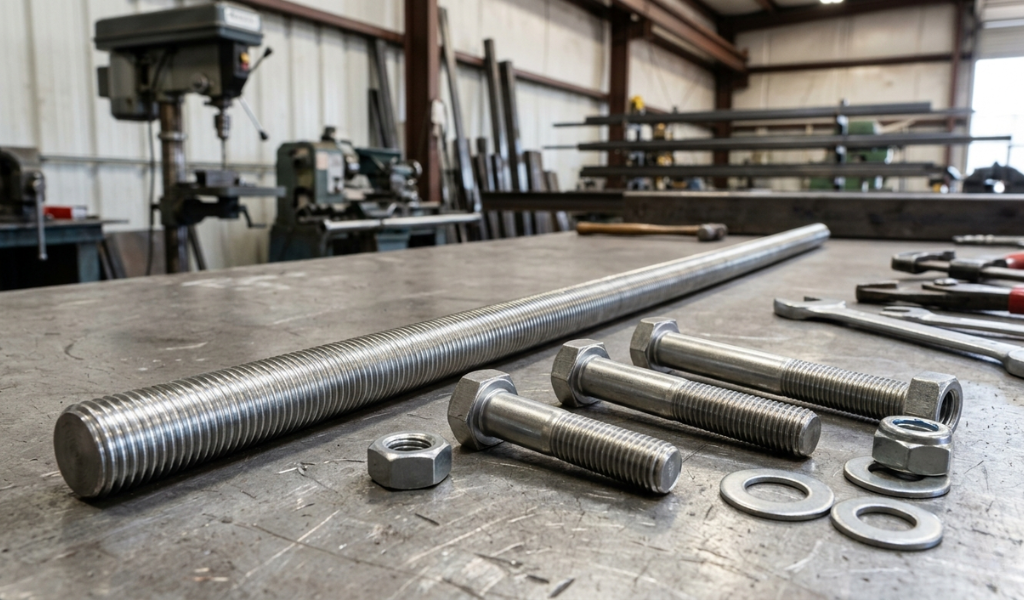
- A steel thread rod features continuous threads along its full length.
- A threaded bolt has a head and partial threading for fixed connections.
- Steel thread rods are ideal for anchoring, bracing, and structural support.
- Threaded bolts are commonly used for machinery, steel connections, and equipment assembly.
- Selecting the right fastener improves safety, strength, and long-term reliability.
What Is a Steel Thread Rod?
A steel thread rod is a rod made of steel with all threads from one end to the other. Cut to length required and come with nuts and washers on all its ends. Such flexibility allows for desired use in a wide array of construction, engineering, and industrial applications.
These rods are made of high-strength steel and when supplied with protective finishes they provide an excellent load carrying ability and resistance to corrosion. These are easily accessible via a reputed steel threaded rod supplier and come in handy for all your structural connection needs.
Steel Thread Rod vs Threaded Bolt: Key Differences
Although both products are threaded fasteners, their design and applications differ significantly.
|
Feature |
Steel Thread Rod |
Threaded Bolt |
|
Design |
Fully threaded along entire length |
Has a head with partial or full thread |
|
Length |
Can be cut to required size |
Manufactured in fixed lengths |
|
Installation |
Secured with nuts at both ends |
Tightened using its head and a nut or threaded hole |
|
Best Use |
Structural support, anchoring, suspension |
Machinery, equipment and steel connections |
|
Flexibility |
Highly adaptable for custom installations |
Suitable for predefined fastening points |
Understanding these differences ensures the correct component is selected for both performance and safety.
Where Is a Steel Thread Rod Used?
Steel thread rods are a popular choice for projects that require long fasteners that adjust. Popular applications include:
Structural Support Systems
Threaded rods are used in concrete to create steel frames, bridges, warehouses, and other commercial buildings needing high tensile support.
Ceiling Suspension
Threaded rods are commonly used to safely suspend ductwork, cable trays, and piping in mechanical, electrical, and plumbing systems.
Concrete Anchoring
Steel thread rods are embedded in concrete foundations to lock down heavy equipment, columns, and other structural elements.
Industrial Fabrication
Threaded rods play a fundamental role in most manufacturing facilities as they provide customized assemblies that require versatile fastening solutions.
Common Applications of Threaded Bolts
A threaded bolt is used when a very strong permanent connection is needed but may need to be assembled and disassembled repeatedly.
Typical applications include:
- Steel structure connections
- Heavy machinery assembly
- Automotive manufacturing
- Industrial equipment installation
- Mechanical repair and maintenance
Threaded bolts are one of the most common structural steel fasteners, and they are used to create strong, durable joints in extreme environments.
Choosing the Right Fastener
The best choice depends on your project requirements.
Select a steel thread rod when you want adjustable lengths, continuous threading, or anchoring to the structure. In case a fixed fastening solution with easy installation is required, select a threaded bolt.
A professional steel threaded rod supplier guarantees that the materials supplied are of consistent quality, meet accurate specifications, and are in compliance with standard requirements.
For projects requiring dependable fastening solutions, Talai Al-Folath For Manufacturing Company offers precision-engineered products manufactured to meet demanding construction and industrial requirements.
Conclusion
Understanding the difference between a steel thread rod and a threaded bolt simplifies the choice of the right fastening solution for every project. Although thread rods give you the flexibility of using them either for structural support or as a standard anchor, threaded bolts are for fixed mechanical connections. Therefore, when investing in structural steel fasteners, ensure you only buy from a reputed supplier agency in order to enjoy better safety, durability, and long-lasting performance in construction and industrial applications.
FAQ's
1. What is a steel thread rod used for?
A steel thread rod is mainly used for structural support, anchoring, suspended systems, and industrial fabrication where adjustable fastening is needed.
2. What is the difference between a steel thread rod and a threaded bolt?
A steel thread rod has continuous threads along its full length, while a threaded bolt has a head and is designed for fixed fastening applications.
3. Can a steel thread rod be cut to size?
Yes. Steel thread rods can easily be cut to the required length, making them highly versatile for different construction projects.
4. Where are threaded bolts commonly used?
Threaded bolts are widely used in machinery assembly, steel structures, equipment installation, automotive manufacturing, and maintenance work.
5. Why should I choose a reliable steel threaded rod supplier?
A reputable supplier provides high-quality products that meet industry standards, ensuring better strength, durability, and long-term structural performance.