For reinforcement products in modern construction, understanding the differences between deformed mesh wire and welded mesh will help to improve the overall strength, durability and efficiency of the project. Both are most commonly used as construction mesh wire, but depending on the application they fulfil a different role. If a contractor, engineer, and builder know both their characteristics, they know that this is the right material that should be chosen for long-term durability.
Quick Summary
- Deformed mesh wire would bond better with concrete.
- Welded wire mesh is suitable for applications with mild reinforcement.
- Strength and durability impacted by manufacturing methods.
- Different types of steel mesh wire are used in building and it exists for the purpose of high concrete quality.
- Knowing the differences reduces repair and maintenance costs.
How Deformed Mesh Wire Is Manufactured?
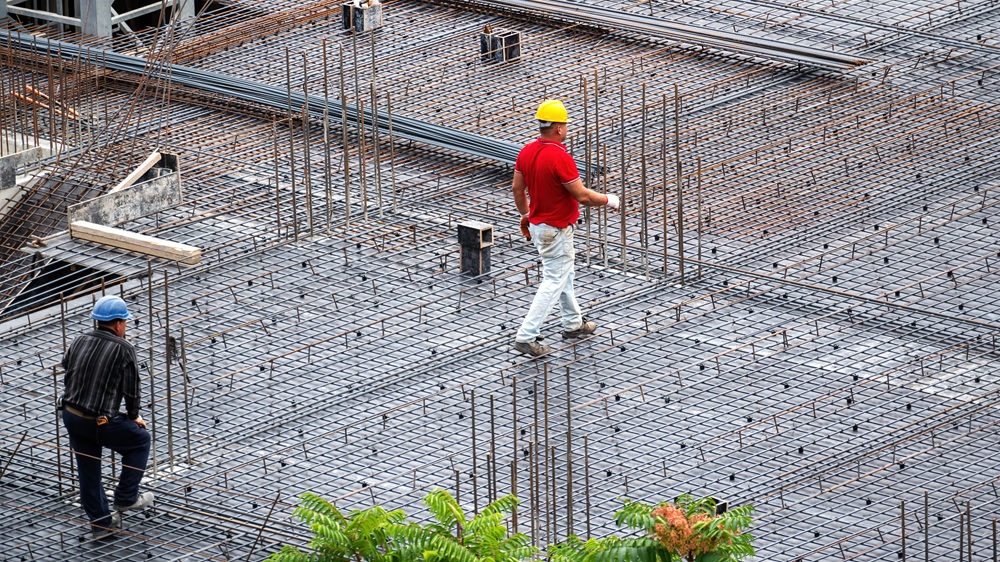
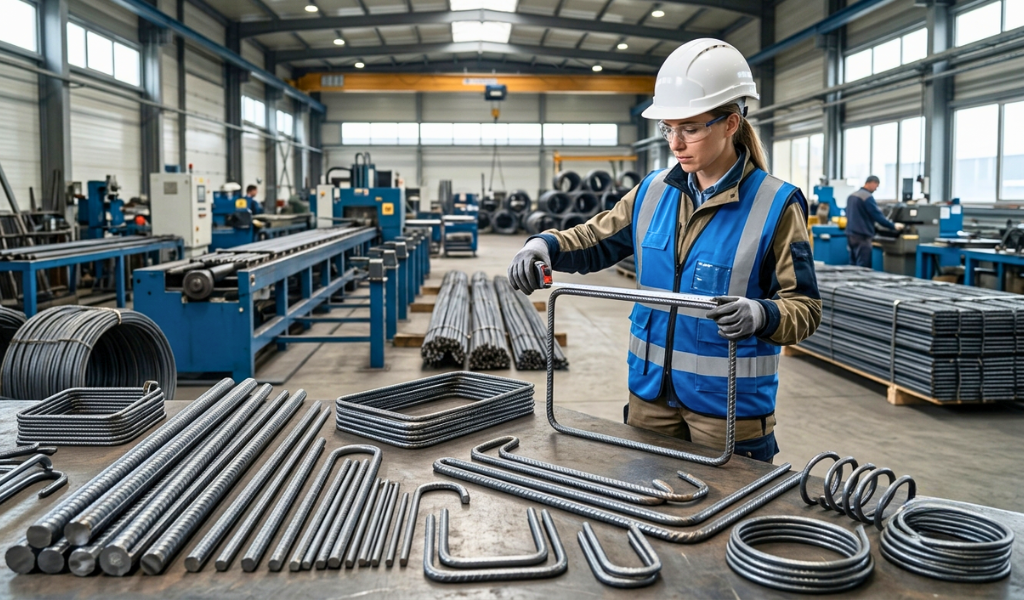
Deformed mesh wire is manufactured from highly tensile steel rods with protruded or varied surface irregularities. They are then welded at each intersection point creating a firm mesh door panel throughout the steel wires. Ribbed surface provides a good bond between steel and concrete and prevents slippage of reinforcing under heavy loads.
Quality control during manufacturing ensures that they have uniform spacing, accurate dimensions, and reliable strength. It is a popular construction materials option for foundations, slabs, retaining walls, highways, bridges and industrial flooring.
Key Properties of Deformed Mesh Wire
Deformed mesh wire has become a reliable reinforcement material due to several attributes.
Superior Concrete Bonding
Compared with smooth wire, ribbed surfaces can better grip concrete, improving structural bonding between steel and concrete.
High Strength
It has an improved tensile strength that supports heavy structural loads with little cracking.
Faster Installation
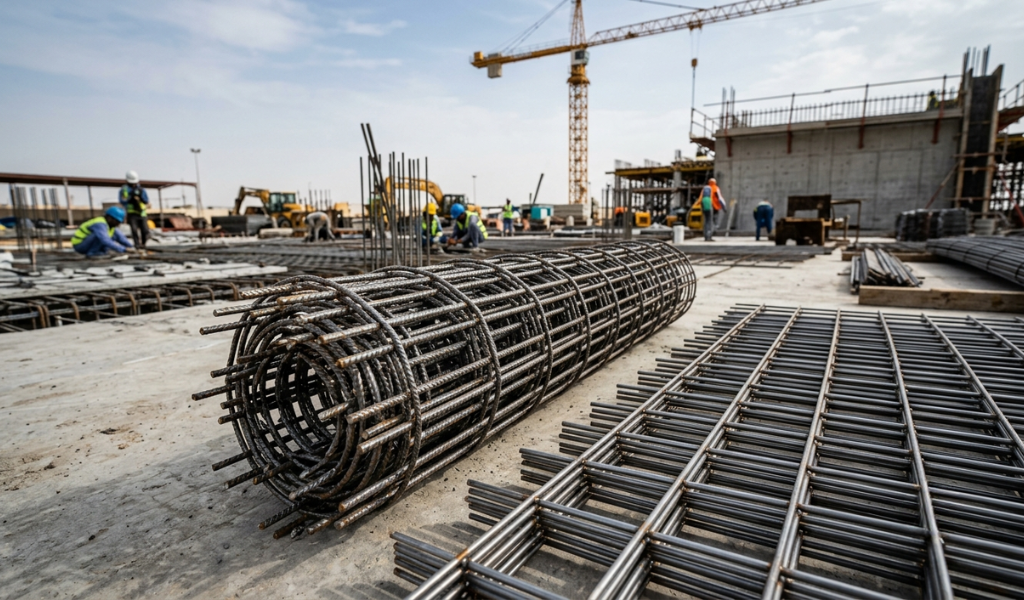
Mesh panels are quicker to install than laying down separate reinforcing bars, contributing to a reduction in labor time.
Corrosion Resistance
Produced using higher end steel and coatings, it should offer a longer lasting option in harsher environments.
Versatile Applications
The mesh wire for steel in the construction industry is provided in various applications, ranging from domestic to commercial and then they are implemented in infrastructure projects as well.
Read More: Why Piles Assembly Matters in Modern Construction?
Deformed Mesh Wire vs Traditional Wire Mesh
Although these products may appear similar, they perform differently in construction.
|
Feature |
Deformed Mesh Wire |
Welded Wire Mesh |
|
Surface |
Ribbed or deformed |
Smooth wire |
|
Concrete Bond |
Excellent |
Moderate |
|
Strength |
Higher reinforcement capacity |
Suitable for lighter applications |
|
Best Use |
Structural concrete reinforcement |
Fencing, partitions, and light reinforcement |
|
Durability |
Excellent under heavy loads |
Good for general-purpose projects |
Traditional welded wire mesh remains a practical choice for non-structural applications, while deformed mesh provides greater reinforcement where structural performance is essential.
Choosing the Right Construction Mesh Wire
The type of construction mesh wire you choose will depend on the load which you need to weigh in your project, and the specifications of the design and environment.
Choose deformed mesh wire when:
- Reinforcing concrete slabs and foundations
- Construction of roads, bridges and retaining walls
- Supporting heavy structural loads
- Improving long-term durability
Choose welded wire mesh for:
- Light concrete reinforcement
- Fencing and partitions
- Agricultural applications
- Temporary construction projects
Being associated with reliable manufacturers guarantees you access to certified building materials that have quality standards. Through Talai Al-Folath For Manufacturing Company, dependable reinforcement solutions tailored for modern construction needs are offered.
Conclusion
A properly selected deformed mesh wire can avoid the structure from settling and improve its durability. Despite the relatively high advantages of welded wire mesh for such light applications, it must be said that the deformed mesh has substantially improved bonding, as well as load capacity and durability. By knowing these differences, builders and contractors are always assured of choosing the best steel mesh wire in construction and other crucial building materials needed for effective building projects.
FAQ's Related to Deformed Mesh Wire
1. What is deformed mesh wire used for?
Deformed mesh wire is primarily used to reinforce concrete in foundations, slabs, roads, bridges, retaining walls, and commercial buildings.
2. What is the difference between deformed mesh wire and welded wire mesh?
The main difference is that deformed mesh wire has ribbed steel for stronger concrete bonding, while welded wire mesh typically uses smooth wire for lighter reinforcement tasks.
3. Why is deformed mesh wire better for concrete?
Its textured surface creates a stronger mechanical bond with concrete, reducing movement and increasing structural strength.
4. Can deformed mesh wire reduce construction time?
Yes. Prefabricated mesh panels are faster to install than individual reinforcing bars, helping improve project efficiency.
5. How do I choose the right steel mesh wire for construction?
Consider your project's structural load, design requirements, and durability needs. Heavy-duty reinforced concrete projects generally benefit from deformed mesh wire, while lighter applications often use welded wire mesh.