In the present-day building world, selecting the right support could make all of the distinction in the fine of a venture, the associated fees, and however long it'll take to finish. Steel cut and bend has become a favourite choice of contractors craving precision and efficiency but traditional rebar cutting is still used on many job sites of your liking. Knowing what the two options are helps builders make decisions that would impact productivity and cut down material waste.
Quick Summary
- Cut and bend steel provides factory-precision and uniformity.
- This realises a decrease in on-site labour as manual handling and adjustments with traditional rebar need more effort.
- Factory processing reduces waste and speeds up construction.
- A trustworthy cut and bend rebar manufacturer provides perfect reinforcement as per requirement of the project.
- The right choice depends on project size, budget, and quality requirements.
What is Cut and Bend Steel?
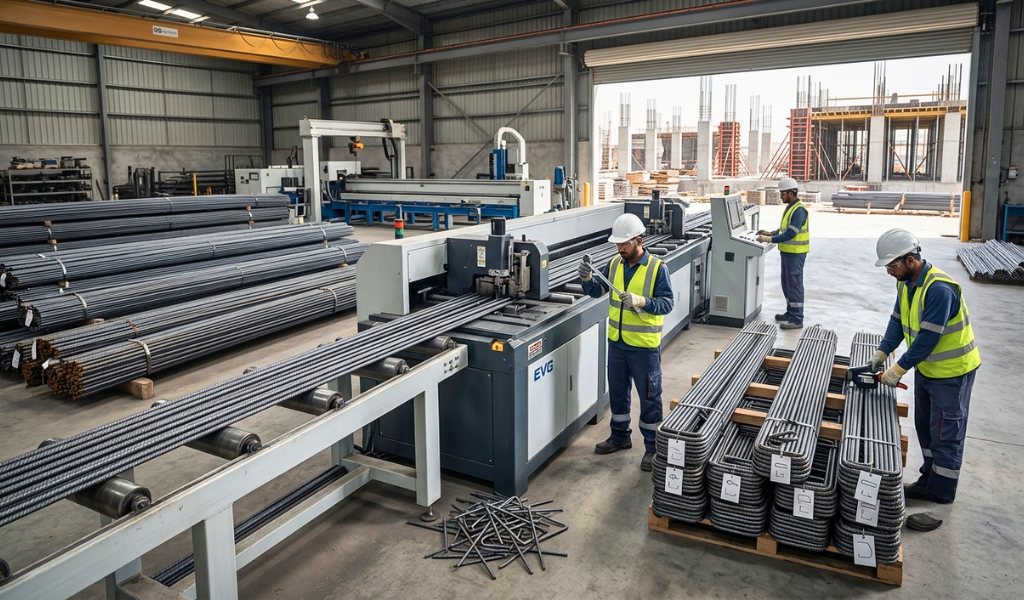
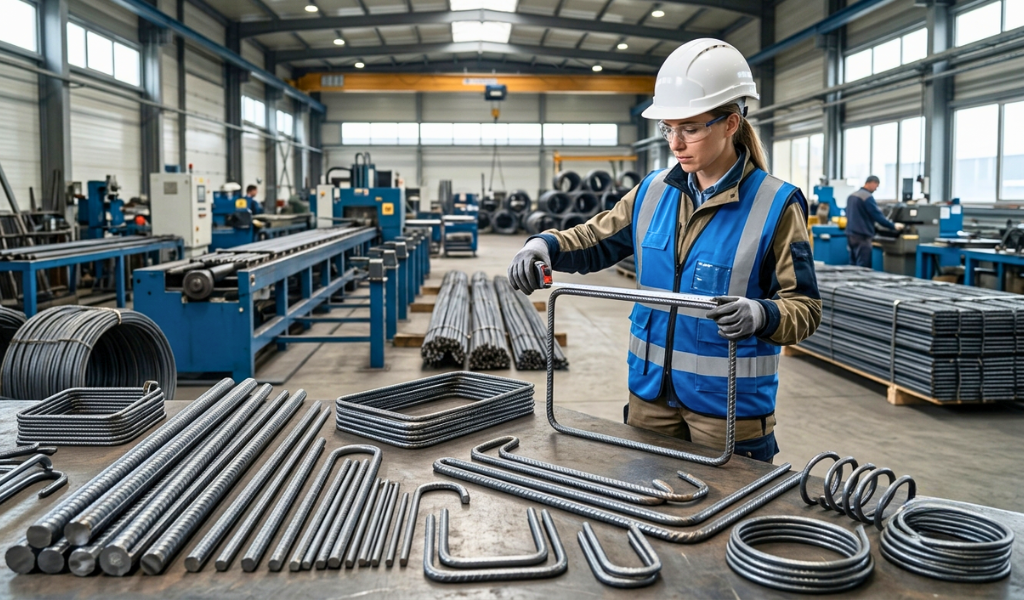
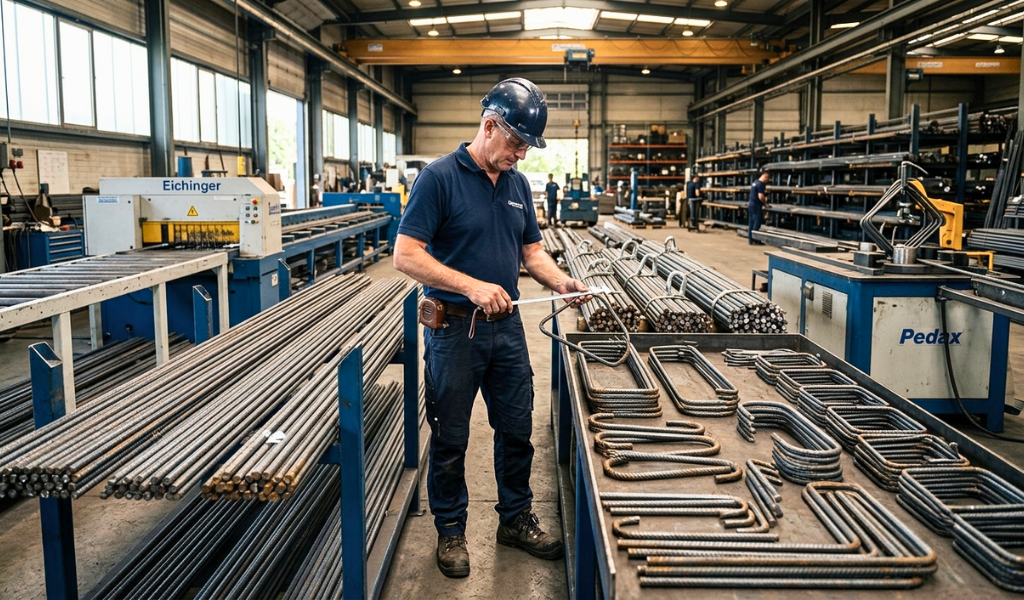
Cut and bend steel is characterized by reinforcement bars cut and bent according to approved engineering drawings prior to arriving on-site. Manufacturers make use of state of the art machinery to produce reinforcement that is ready to be installed for them instead of measuring and bending bars in the site manually.
Thus, this process enhances accuracy, minimizes human error and allows buildings to perform reinforcement jobs many times quicker. So it is more to commercial buildings, bridges, industrial projects, and infrastructure projects.
How Cut and Bend Steel Process Works?
Production processes are efficiently planned so that each steel bar produced meets project specifications.
- Engineers review structural drawings.
- The process of steel bars measurement is performed by automated equipment.
- Some each bar is then cut to the required length using machines
- Hydraulic bending machines shape the bars to accuracy.
- Finished bars undergo quality inspections.
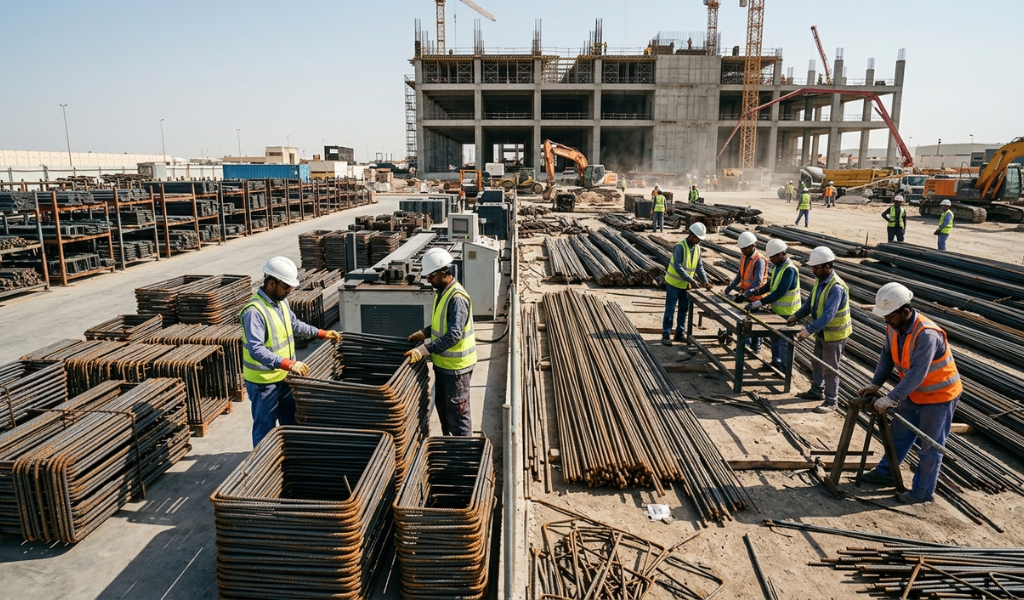
- The processed reinforcement is sent to the construction site for installation.
An old cut and bend rebar manufacturer is the best choice because every piece should be produced according to professional standards.
Is cut and bend steel better than traditional rebar cutting?
For many modern construction projects, the answer is yes.
Conventional rebar cutting involves manually measuring, cutting and bending steel onsite. This way is more flexible for last-minute changes, but in fact it takes longer to install, costs more for the labor, and creates more waste of materials.
In contrast, cut and bent steel is produced in a controlled environment through automated devices. This enhances consistency, minimizes errors, and enables construction teams to concentrate on installation rather than fabrication.
|
Feature |
Cut and Bend Steel |
Traditional Rebar |
|
Accuracy |
High factory precision |
Depends on manual work |
|
Material Waste |
Minimal |
Higher waste |
|
Installation Speed |
Faster |
Slower |
|
Labor Requirement |
Lower |
Higher |
|
Quality Consistency |
Excellent |
Varies by workforce |
|
Best For |
Large and complex projects |
Small or simple projects |
Why Do More Contractors Choose Cut and Bend Steel?
These elements have made, cut and bend steel, the first selection to reinforce modern building:
Improved Accuracy
Reinforcement is produced exactly according to the engineering drawings, by computer-controlled machines.
Faster Project Completion
Pre-assembly allows the worker to avoid reinforcing steel preparation on the site, because steel arrives on the site ready-to-install.
Lower Overall Costs
Factory processing looks more expensive at first glance, but the lower labor costs, less scrap, and fewer mistakes drive down the total project costs.
Better Safety
Less cutting and bending on site, which decreases risk in the workplace and leads to a cleaner, more organized construction site.
Choosing the Right Supplier
Choosing a trusted supplier is equally as crucial as finding the right reinforcement solution. Professional cut and bend rebar manufacturers offer quality-controlled products with timely deliveries along with technical input to ensure the projects run on time.
For instance, Talai Al-Folath For Manufacturing Company offers tailored reinforcement solutions manufactured to precision in order to help contractors fulfill demanding construction requirements.
Conclusion
When projects need to be precise, fast, and efficient, cut and bend steel is evidently better than conventional rebar cutting. It minimizes waste, streamlining the construction process, lead time for installations, and project management. Traditional methods are still appropriate for smaller jobs but cut and bent steel has become the go to method in the modern era for constructing structures where consistency and productivity are your top priorities. Collaborating with a reliable cut and bend rebar manufacturer assists you to guarantee that each project receives precise ready-to-assemble reinforcement.
FAQ's
1. What is cut and bend steel used for?
Cut and bend steel is used to reinforce concrete structures such as buildings, bridges, foundations, highways, and industrial facilities.
2. Is cut and bend steel more cost-effective than traditional rebar?
Yes. It often reduces labor costs, minimizes waste, speeds up installation, and lowers overall project expenses.
3. Why should I choose a cut and bend rebar manufacturer?
A professional manufacturer delivers accurately processed reinforcement that meets engineering specifications and quality standards.
4. Does cut and bent steel improve construction quality?
Yes. Factory-controlled manufacturing ensures consistent dimensions and accurate bending, resulting in stronger and more reliable reinforcement.
5. Can cut and bend steel be customized for different projects?
Absolutely. Manufacturers produce steel bars in custom lengths and bending shapes based on structural drawings and project requirements.